Lesson #
57
• FROM
Lady Bird Johnson
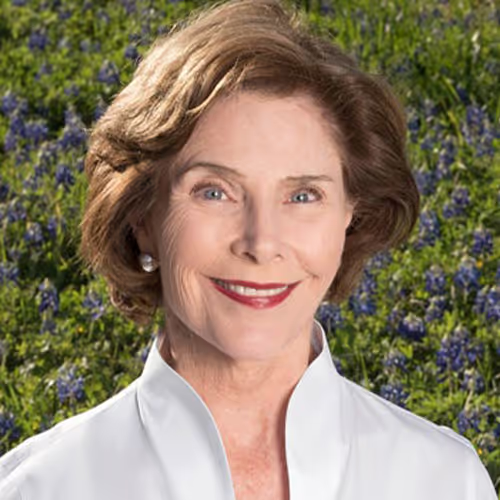
During the 1960s, a decade filled with protest and political turbulence, one woman quietly transformed the landscape of America. Claudia Alta “Lady Bird” Johnson, wife of President Lyndon B. Johnson, believed that conservation wasn’t a luxury, but a necessity for the health and vibrancy of the United States. Her vision was simple yet profound: when you plant a seed, you beautify a nation.
Lady Bird Johnson’s love for nature began long before she ever walked the halls of the White House. Born in 1912 in the small East Texas town of Karnack, her childhood was rooted in nature. She grew up surrounded by towering pine trees, blooming dogwoods, and the shimmering waters of Caddo Lake. Lady Bird lost her mother at a young age, and she found comfort in the natural world that surrounded her. “Where flowers bloom, so does hope,” she would later say.

Lady Bird married Lyndon B. Johnson in 1934. Her husband’s career took them from the rural backroads of Texas to Washington, D.C., and eventually to the White House. But even with the demands of political life, she never lost her love for the outdoors. And she brought her passion for conservation with her to Washington, using it as the foundation for her life of public service.
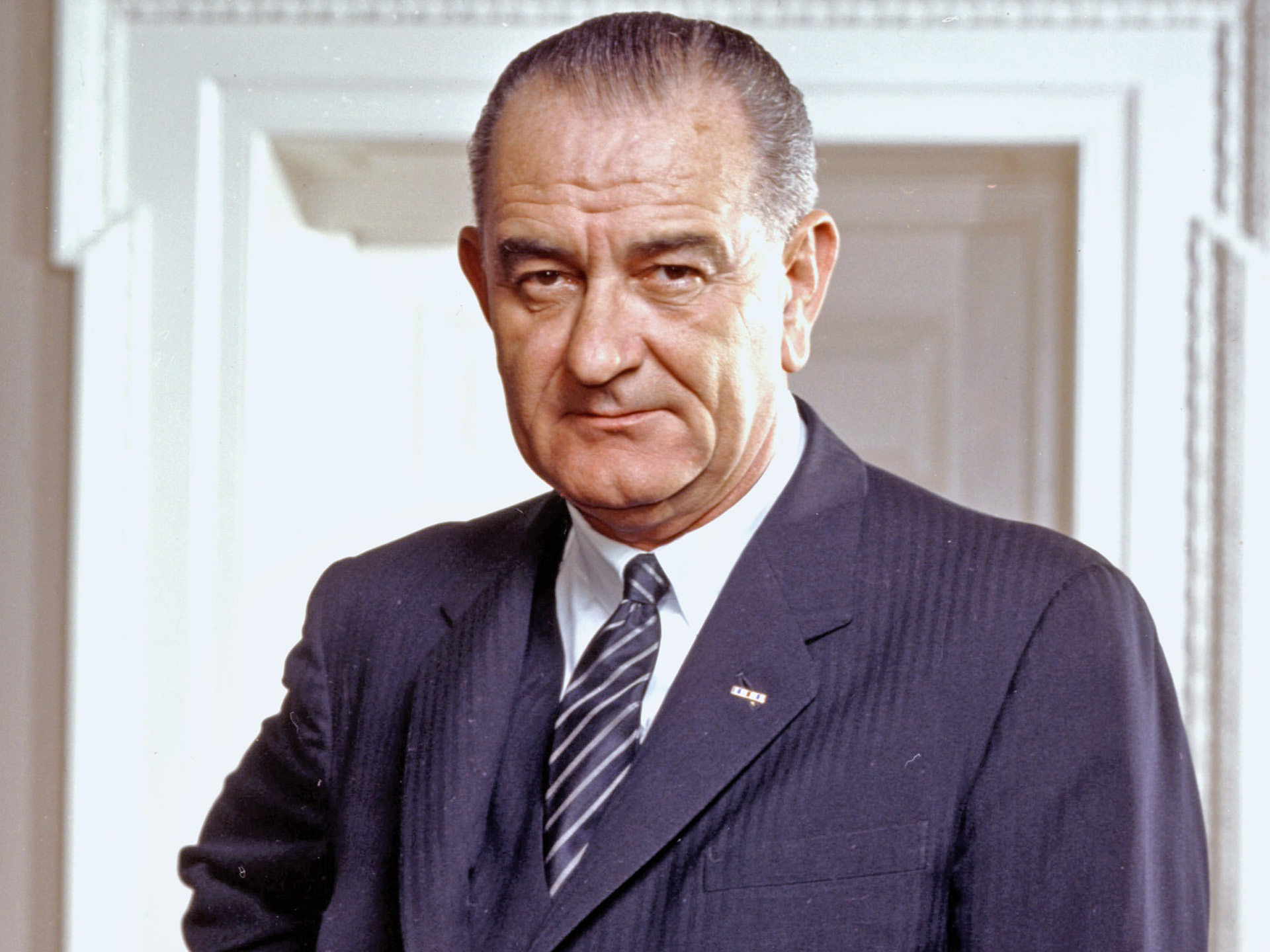
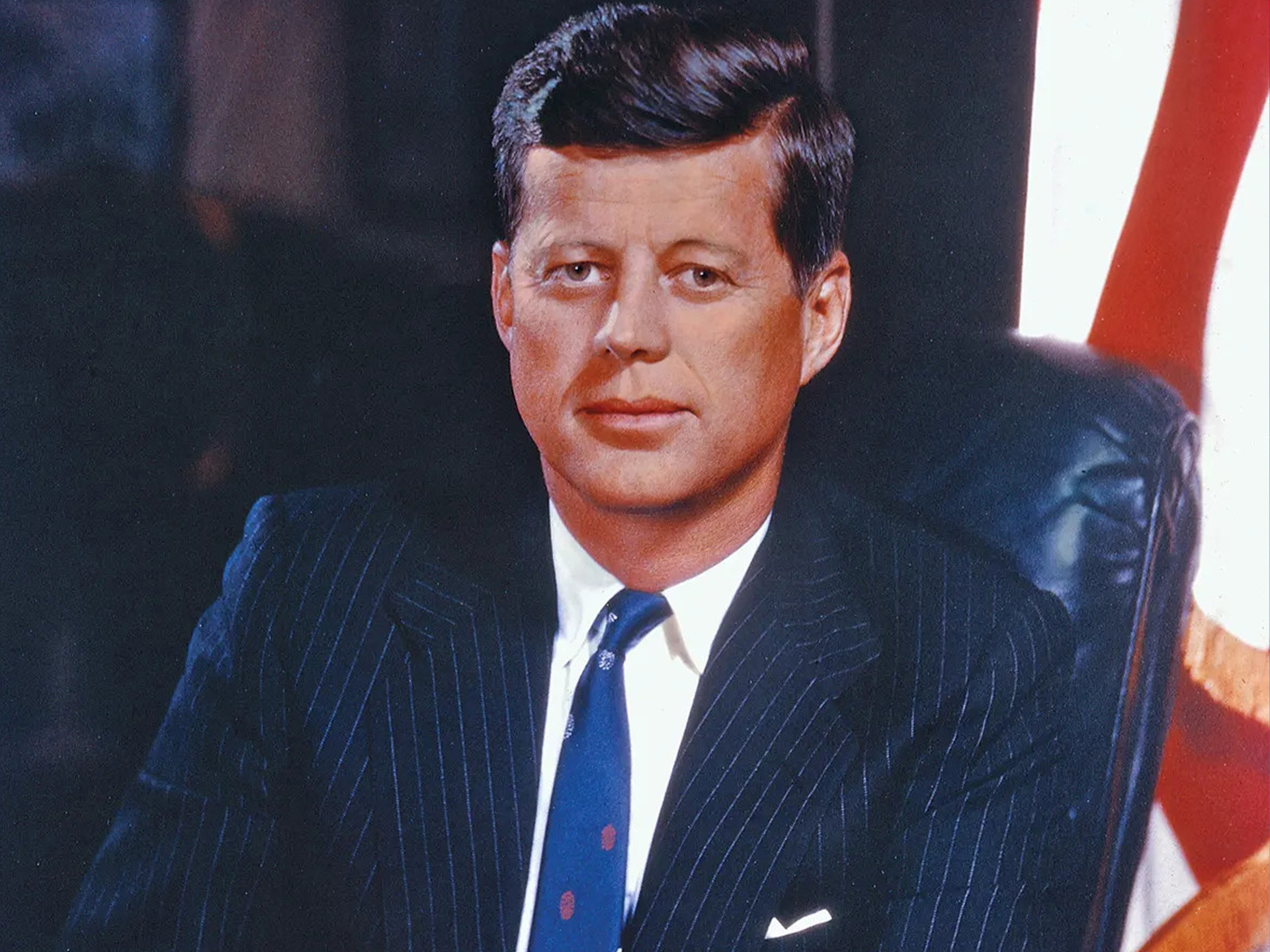
When President John F. Kennedy was assassinated in 1963 and Lyndon Johnson assumed the presidency, the nation was devastated and divided. It was in that atmosphere that Lady Bird began to plant her seeds. She knew that the country needed not only peace and progress, but maybe more importantly, a renewed sense of pride and comfort in the places Americans called home. She once said, “Ugliness is so grim. A little beauty, something that is lovely, I think, can help create harmony which will lessen tensions."
One of Lady Bird Johnson’s most visible contributions came through her championing of the Highway Beautification Act, often nicknamed “Lady Bird’s Bill.” As America’s highway system expanded, the roads became littered with billboards, junkyards, and overgrown invasives. Lady Bird saw this as a reflection of national abandonment, not just of roadsides, but as a loss of respect for our land.
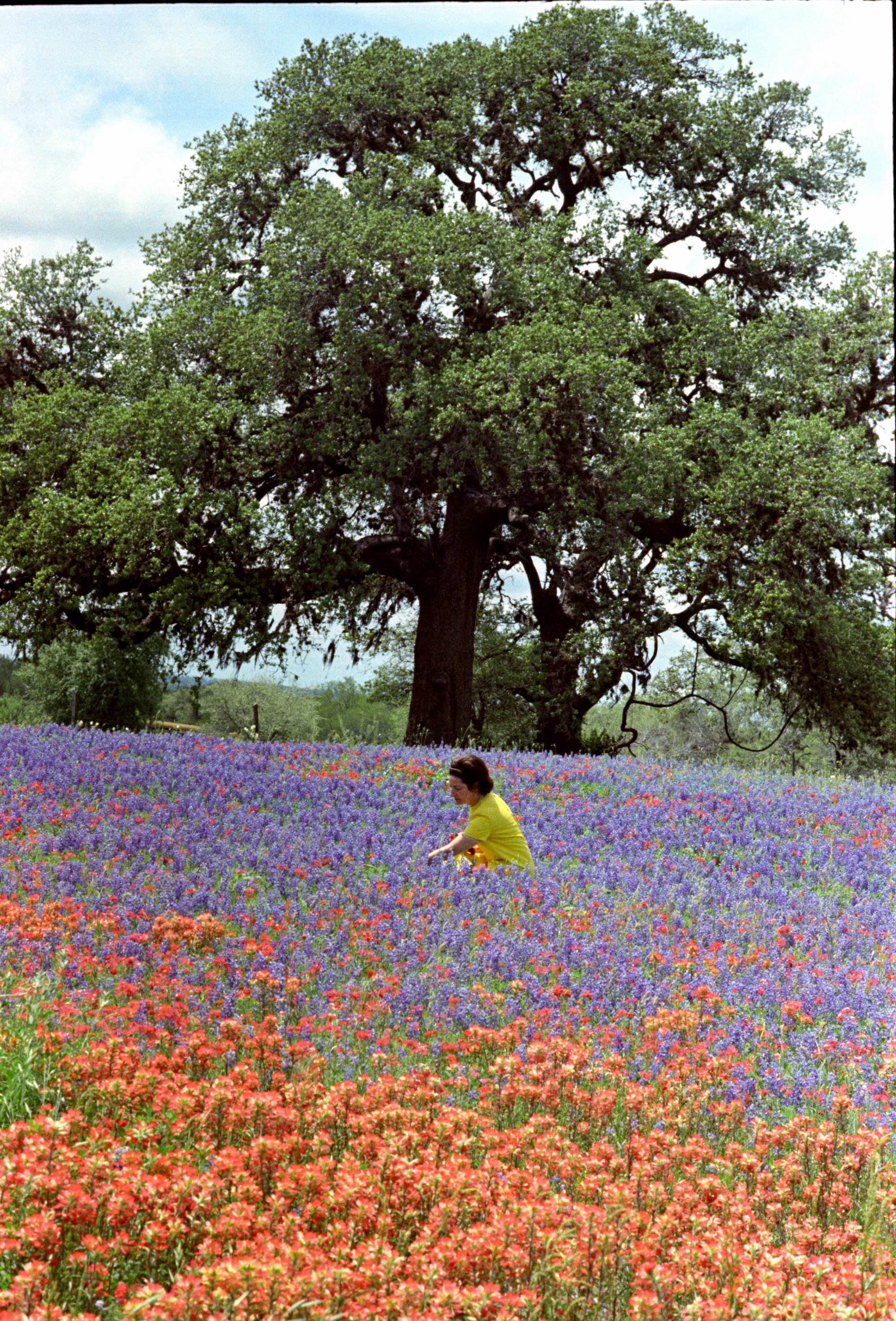
So, Lady Bird envisioned something different. She pictured clean roadsides blooming with native wildflowers and scenic views unspoiled by ads. She wanted communities to take pride in their appearance. With her influence and determination, she persuaded Congress to pass the landmark legislation which regulated outdoor advertising and encouraged the planting of wildflowers and native plants along the vast web of American highways. Thanks to her tireless efforts, millions of Americans began to see that conservation and beauty were not niceties, but essential parts of a healthy, civil society.
Of course, her efforts were not without resistance. People thought, “Oh, isn’t that sweet, the first lady likes to plant flowers.” Many dismissed her ideas as trivial compared to the pressing political issues of the Civil Rights Movement and the Vietnam War. But what Lady Bird did was equally important – she strengthened the conservation movement in our country. She insisted that every neighborhood, not only wealthy areas, deserved to be attractive. She knew that beauty and justice were not separate concerns. A neglected environment mirrored a neglected community. And by restoring beauty, she believed, a nation could restore dignity.
“She knew that beauty and justice were not separate concerns.”
Lady Bird Johnson’s leadership transformed the way Americans think about the vast lands around us. She went on to encourage ordinary citizens to care for their surroundings. She launched community-based beautification projects across the country, asking for schools and neighborhoods to take part. Her work sparked an environmental revival in the United States, one that would later lead to the first Earth Day in 1970. She knew that lasting change came not from the government alone, but from all people who value our nation’s natural beauty.
After leaving the White House in 1969, Lady Bird Johnson returned to Texas. In 1982, she co-founded the National Wildflower Research Center in Austin with actress Helen Hayes. Later renamed the Lady Bird Johnson Wildflower Center, this institution is a living laboratory and sanctuary for ecological research and education. It protects thousands of species of native plants and has grown into a national leader in sustainable landscape design. The Wildflower Center’s mission – to inspire the conservation of native plants through research, education, and outreach – carries Lady Bird’s ideals for generations of Texans and Americans.
Through the Wildflower Center, Lady Bird continued to show that planting native species was more than a gardening choice—it was a form of stewardship. By preserving what was native to the land, Americans could maintain a sense of place and history. She believed in acting locally, but thinking nationally. And her influence is still felt in the countless community gardens, restored parks, environmental advocates, and conservation programs she inspired across the country.
While developing the plans for the George W. Bush Presidential Center on the campus of SMU in Dallas, Michael Van Valkenburgh Associates consulted with the Lady Bird Johnson Wildflower Center to develop a 15-acre native Texas prairie, open to the public from dawn to dusk. This park includes restored plant communities such as a floodplain forest, a wildflower meadow, and native grasslands. The seeds used were sourced directly from the Wildflower Center, ensuring that the plants are regionally appropriate and beneficial to local wildlife. And as an urban oasis located in the heart of a city, it affords thousands of visitors and students the opportunity to learn about the historic landscapes like blackland prairie, post oak savanna, and cross timbers woodland that once dominated North Texas.
In the 21st century, as cities grow and skyscrapers tower above us, Lady Bird’s message remains relevant. When we plant trees in neighborhoods lacking green space or design parks in the middle of a city, we are following her example. But Lady Bird’s lessons also offer a subtle kind of patriotism. She believed that caring for the land was an expression of love for one’s country. By tending to the earth, Americans could renew their national spirit and remind themselves of what makes our country unique.
Republicans and Democrats, city dwellers and ranchers, scientists and schoolchildren all have a responsibility to care for the land we call home. The belief that nature belongs to all of us and that we all have a role in protecting it is essential for the future of our country.
Today, Lady Bird’s story lives on each spring when Texas highways and wildflower meadows explode in color with bluebonnets, Indian paintbrushes, and black-eyed Susans. What started as planting wildflowers and cleaning highways grew into a nationwide movement that continues to shape American environmental policy and culture. Her work reminds us that we can’t measure progress simply in laws passed or cities built. We need to look at how we honor the land that sustains us. Every flower planted, every tree protected, and every park restored carries Lady Bird Johnson’s vision. In her words, “The environment is where we all meet.” And in that shared space, Lady Bird’s lessons still bloom. Even a single seed, when planted with care, has the power to make our country more beautiful for the next generation to nurture and appreciate.
“Where flowers bloom, so does hope.”
- Lady Bird Johnson
Check out the lesson on Substack to be part of the discussion. Share your views, respond to others, and help deepen our understanding.
View on Substack