The New York Times once called President Warren G. Harding the “Rodney Dangerfield of presidents,” a nod to how the late comedian often joked that he received “no respect.” Over the past century, respect has certainly been hard to come by for Harding, who — if he is remembered at all — is remembered as one of our nation’s worst leaders.
Harding, of course, didn’t help his own cause. His administration was rife with scandal. His Interior Secretary was far too cozy with oil executives and ended up in prison after being convicted of bribery and conspiracy during the Teapot Dome scandal, in which the secretary accepted bribes in exchange for leasing Navy oil reserves to private companies. There were also constant rumors about Harding’s affairs, gambling, and heavy drinking — even during Prohibition, when alcohol was supposed to be banned. Alice Roosevelt Longworth, the daughter of President Theodore Roosevelt, wrote in her 1933 memoir that she recalls the Harding White House having “air heavy with tobacco smoke, trays with bottles containing every imaginable brand of whiskey, cards and poker chips ready at hand.”
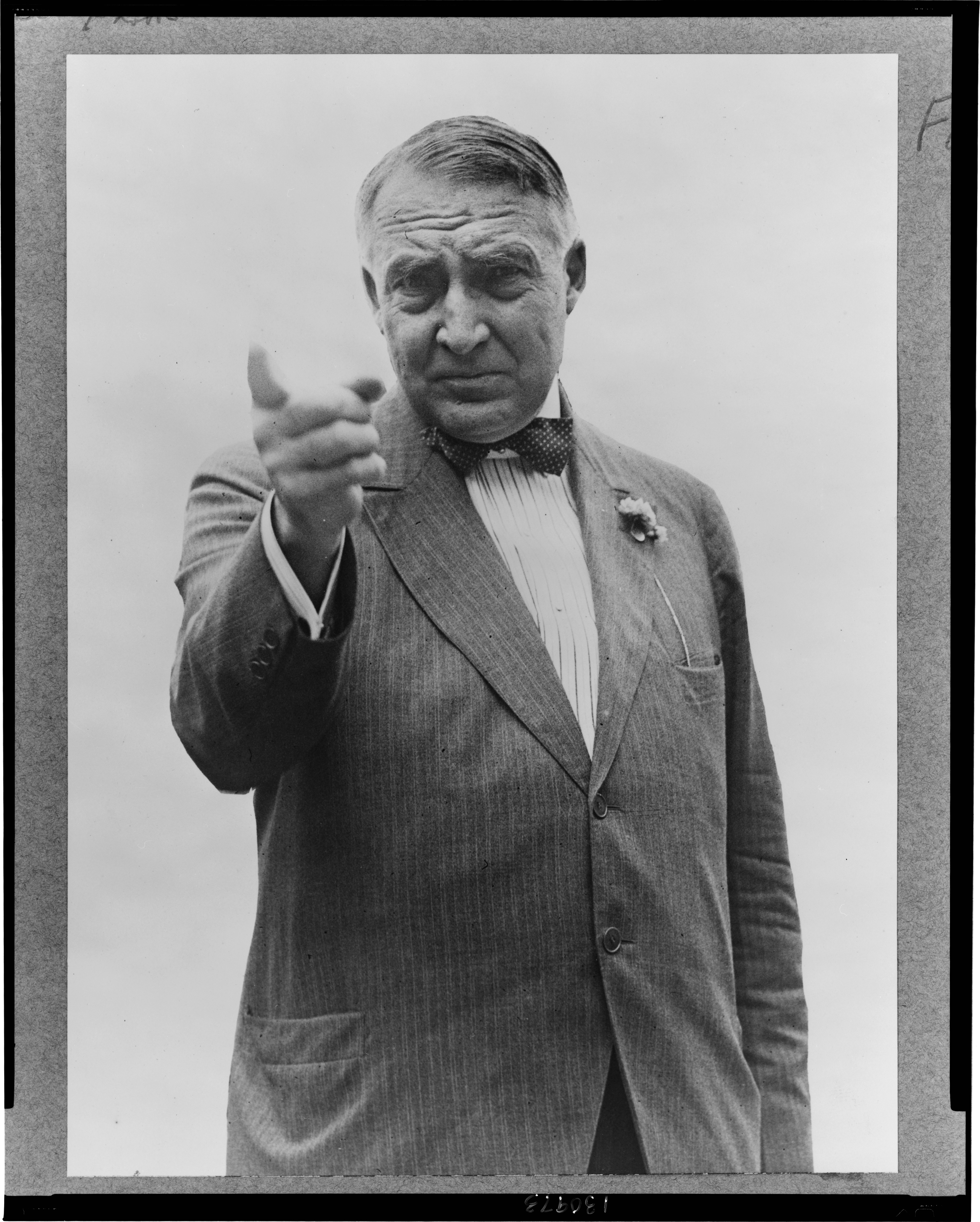
But that image of Harding — a carousing Ohio Republican with dark, bushy eyebrows and thick white hair — is not the only memory of him that should endure.
Like many presidents, Harding was far more complicated than the caricature that has settled into the public imagination. His presidency, to be sure, offers warnings to future leaders about how distractions and poor judgment can cause an administration to veer toward cronyism and failure. Yet there is a lesson, too, gleaming through the carnage of his reputation: Grace is always an option, regardless of the circumstances, and grace from a president can help heal the wounds of a weary nation.
The year was 1921, Harding’s first in the White House. A year earlier, Harding had won the 1920 campaign in a landslide against Democrat James Cox. Those two men were not the only candidates on the ballot, however. Another Harding opponent was Socialist Eugene Debs, who won more than 3 percent of the national vote despite being imprisoned during the race.
In the early 20th century, Debs had established the socialist movement as an ascendant force in the U.S. It was a coalition led by Debs and his compelling speeches and built upon the grievances of union members nationwide who felt neglected by political and corporate interests and were desperate for the government to take an expansive role in social welfare.
After the outbreak of World War I, Debs’s movement became a bastion of anti-war sentiment. Debs argued that the country was heaping the burden of the war upon working people instead of the wealthy and their families. At a time when President Woodrow Wilson’s administration was significantly curtailing civil liberties in response to the war, those views proved dangerous. In 1918, after delivering an anti-war speech that enraged Wilson and his allies, Debs was convicted of violating the Espionage Act and sentenced to ten years in an Atlanta federal prison.
Then, during his first year in office — in a move that stunned some of his supporters — Harding decided to commute Debs’s sentence.
“You might fail at many things....but you always have the ability to pause, think, and do what you believe is right.”
The shock in Washington about Harding’s decision was understandable. Harding and Debs were total opposites. One was a powerful, newly-elected president, the other a powerless activist in a cell. One was an avowed socialist, the other a conservative and proud capitalist. Few of Harding’s GOP allies could see the political upside in commuting the sentence of Debs. Wilson, Harding’s predecessor, had already rejected pleas for Debs to be pardoned, so there was little to no pressure on Harding. He could simply have let Debs serve out his sentence. Debs’s friends, meanwhile, did not have any expectation that Harding, of all people, would step in.
But days before Christmas, Harding not only commuted Debs’s sentence — he invited him to the White House. It was more than an act of executive clemency; it was an act of grace. The preceding decade had featured a brutal world war and the deadly Spanish flu pandemic. Harding, who had pledged in 1920 to “return to normalcy” following those horrors, saw in the Debs commutation a ripe opportunity to move America on from the rancor of the latter years of the Wilson presidency, particularly national divisions over World War I.
“I want him to eat Christmas dinner with his wife,” Harding said after announcing his decision, calling it “the right thing to do.”
When Debs and Harding met at the White House, they closed the door and kept their conversation private, just the two of them in the room. As Debs left, he was asked by reporters about how it went. Debs replied, “Mr. Harding appears to me to be a kind, gentle man, one whom I believe possesses humane impulses. We understand each other perfectly.”
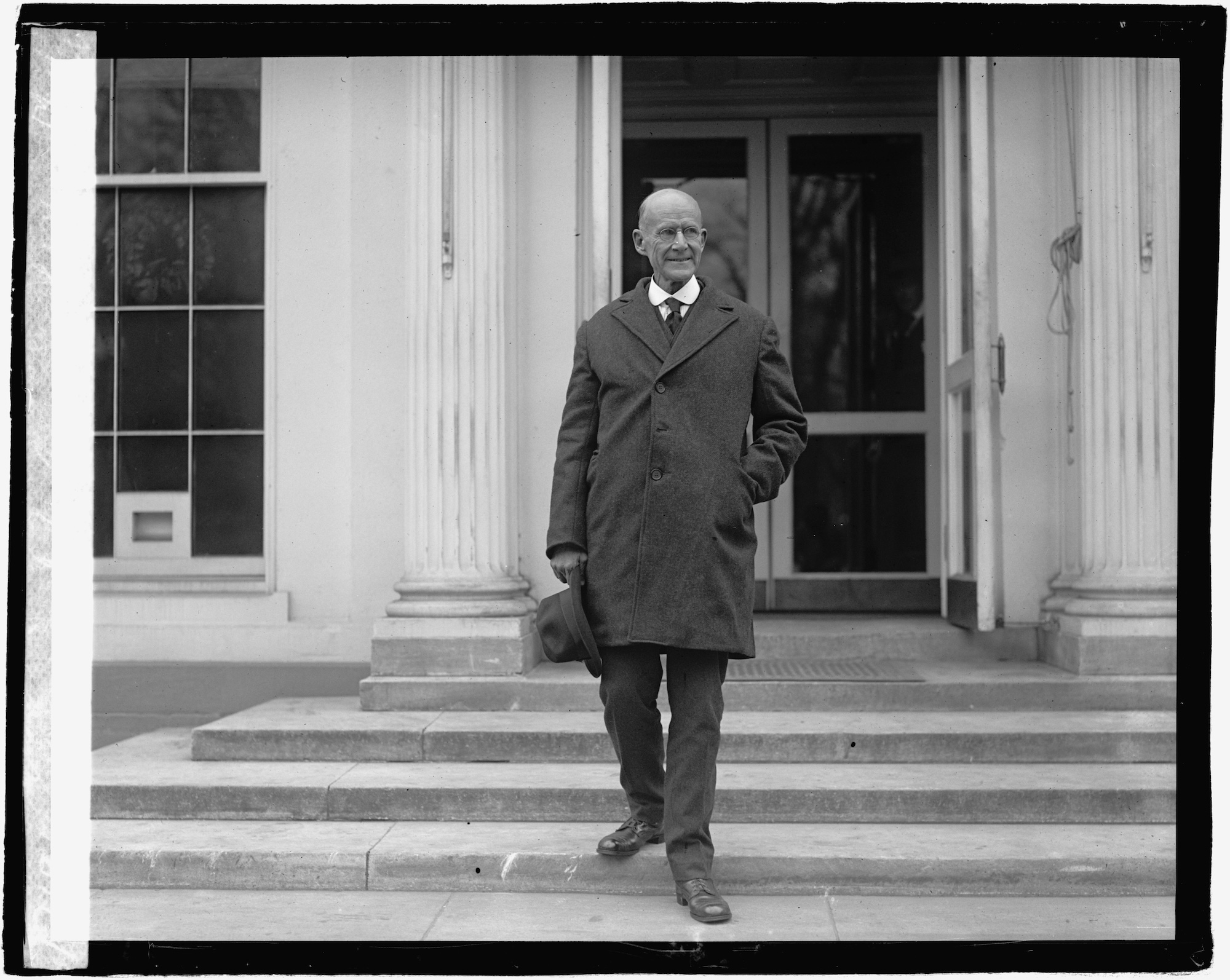
While Harding’s decision might have been driven, in part, by humane motivations, it was also rooted in constitutional principle and in the First Amendment. He believed Debs guilty only of disfavored speech, not sedition. That December, Harding not only commuted the sentence of Debs, but the sentences of 23 other imprisoned activists, underscoring his commitment.
Harding drew rebukes immediately from those who saw his move as an affront to World War I veterans. In the wake of the announcement, the American Legion led protests against Harding. The President acknowledged the criticism but did not waver. When friends expressed their incredulity, Harding said he did what he thought was right and argued that speech must be protected as long as those speaking out are not advocating for violence or harm to the government.
Harding’s decision is a reminder of how leaders can at key junctures wave off advice from advisers and make an effort to keep the civic fabric from unraveling. Harding had his problems and his presidency was flawed, but he showed a capacity for mercy and for unity. After commuting the Debs sentence, Harding said he hoped that Debs might be persuaded in the future to “become a factor in contributing to tranquility throughout the land.”
Debs died 100 years ago, in October 1926, at age 70. His legacy has grown in recent years as democratic socialists such as Senator Bernie Sanders of Vermont and the young New York Mayor Zohran Mamdani continue to gain traction in American politics and look to him as a trailblazer for their values and agenda. Mamdani went so far as to quote Debs in his election-night speech in late 2025. “But as Eugene Debs once said,” Mamdani told the crowd, “‘I can see the dawn of a better day for humanity.’”
Few modern politicians quote Harding. But his handling of Debs’s situation deserves recognition and provides a lesson for leaders then and now: You might fail at many things, and you might be derided by friends and critics, but you always have the ability to pause, think, and do what you believe is right. You can reach out and lift up someone who has no power and affirm their right to have a voice. Doing so is in the best of the American tradition, and it is, indeed, worthy of respect.
“Grace from a president can help heal the wounds of a weary nation.”
Check out the lesson on Substack to be part of the discussion. Share your views, respond to others, and help deepen our understanding.
View on Substack