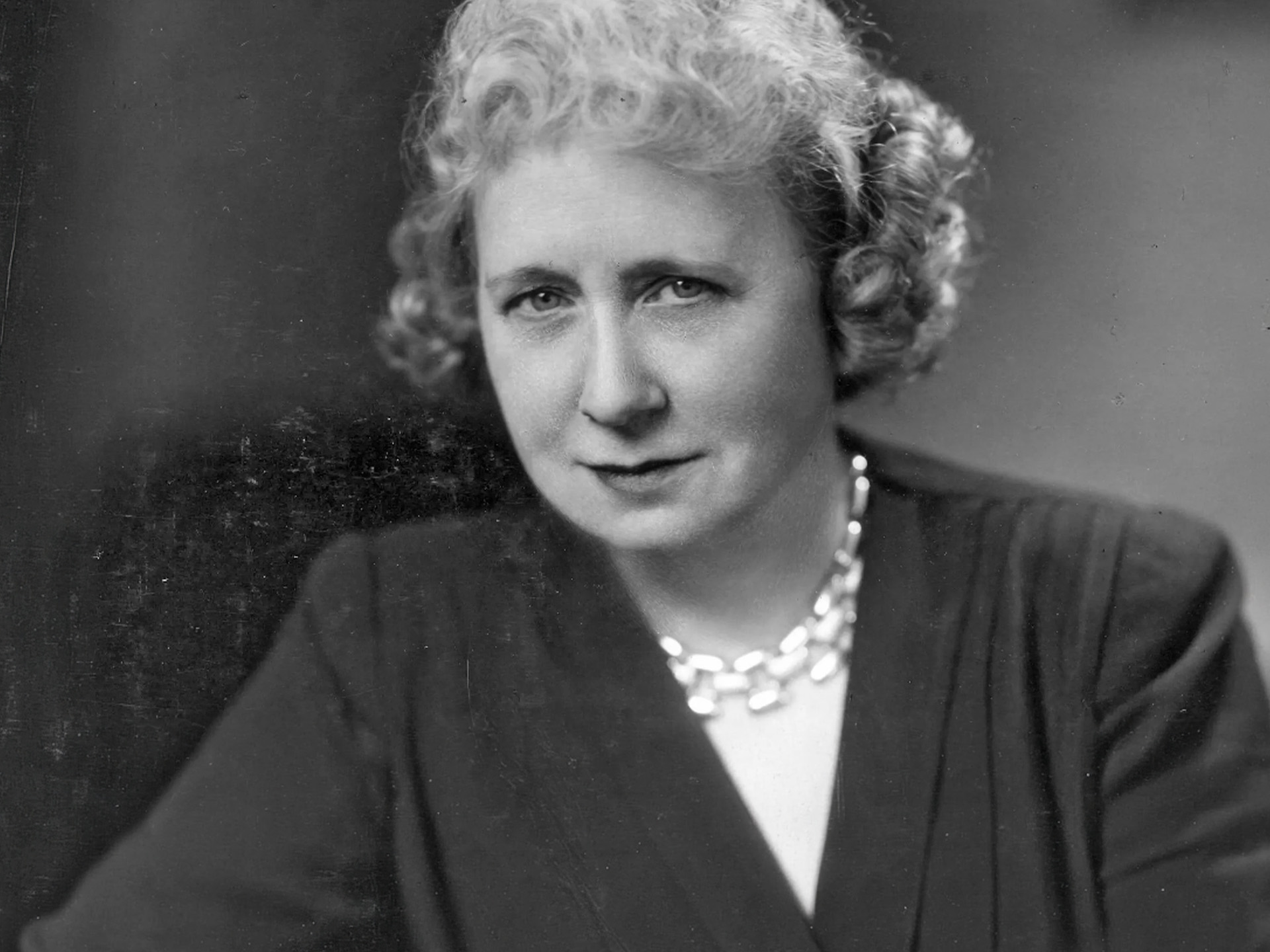
She hated the title First Lady, preferring to be known by the name on her calling cards: Mrs. Woodrow Wilson. But for some months at the end of 1919 and beginning of 1920, Edith Bolling Galt Wilson held the most political power of any First Lady in history.
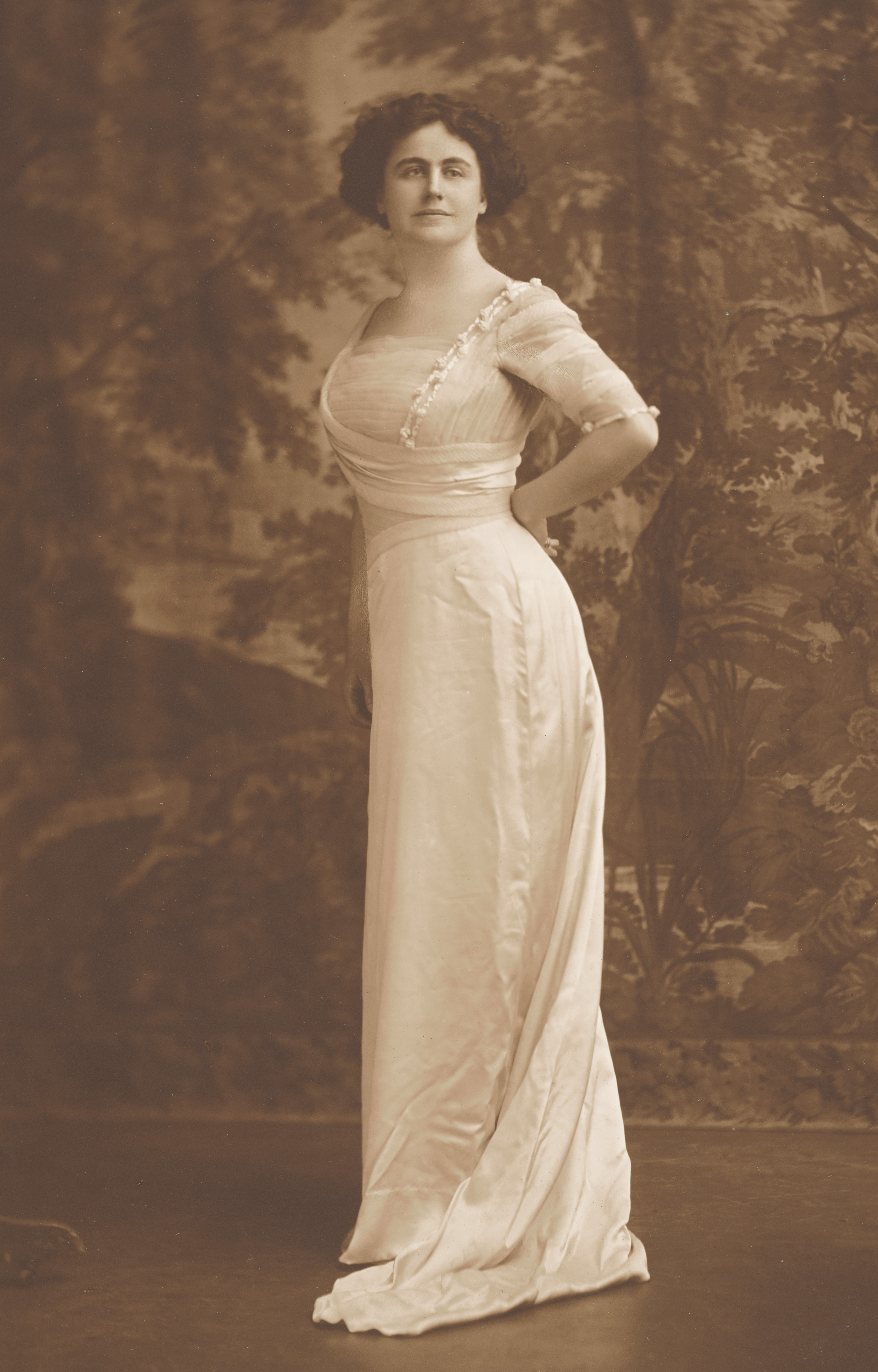
Edith became First Lady when she married President Woodrow Wilson at the end of 1915, after the death of his first wife Ellen. Unlike wives who rise up through the political ranks with their husbands, she didn’t have an on-ramp to national attention. Forced to develop a public persona overnight, she chose the role of devoted second wife, living only for the success of her brilliant husband. She also wanted to be known as a gracious social presence, in contrast to the earnestly awkward first Mrs. Wilson. Edith was praised as soon as the engagement was announced. “Mrs. Galt is regarded as a woman of rare beauty and charm,” approved the Washington Evening Star. “Those who have known her best predicted today that she would be, as the first lady of the land, a popular hostess as well as a comfort and support to the President in his daily work.” If she was hoping to reflect the 1915 feminine ideal, she chose her image perfectly.
But the years Edith served as First Lady, 1915-1921, saw profound changes in women’s social roles. World War I required women to take on traditional male jobs and do them well. Suffrage activists pushed for recognition of women’s rights, not only securing the vote but also challenging the notion that public life was the exclusive domain of men. And while Edith was never a suffragist, she did take on more public roles than any First Lady before her. She was the first to stand behind the president when he took the oath of office. She was the first to accompany her husband on business calls with cabinet officers. She was the first to travel abroad while her husband was in office. She was welcomed and celebrated by royalty in England and Italy in a way no leader’s wife had been before. She was admired globally for her public visibility, which was very much in the service of her husband, never for her own agenda. When she accompanied her husband to the Paris peace talks in 1918, one English reporter gushed, “No queen could have had a more queenly manner, no great lady could be more gracious, no woman more utterly winning than President Wilson’s wife.” Edith kept that clipping in her scrapbook.
“Behind her feminine deference and gracious southern manners, she was a fierce and powerful force.”
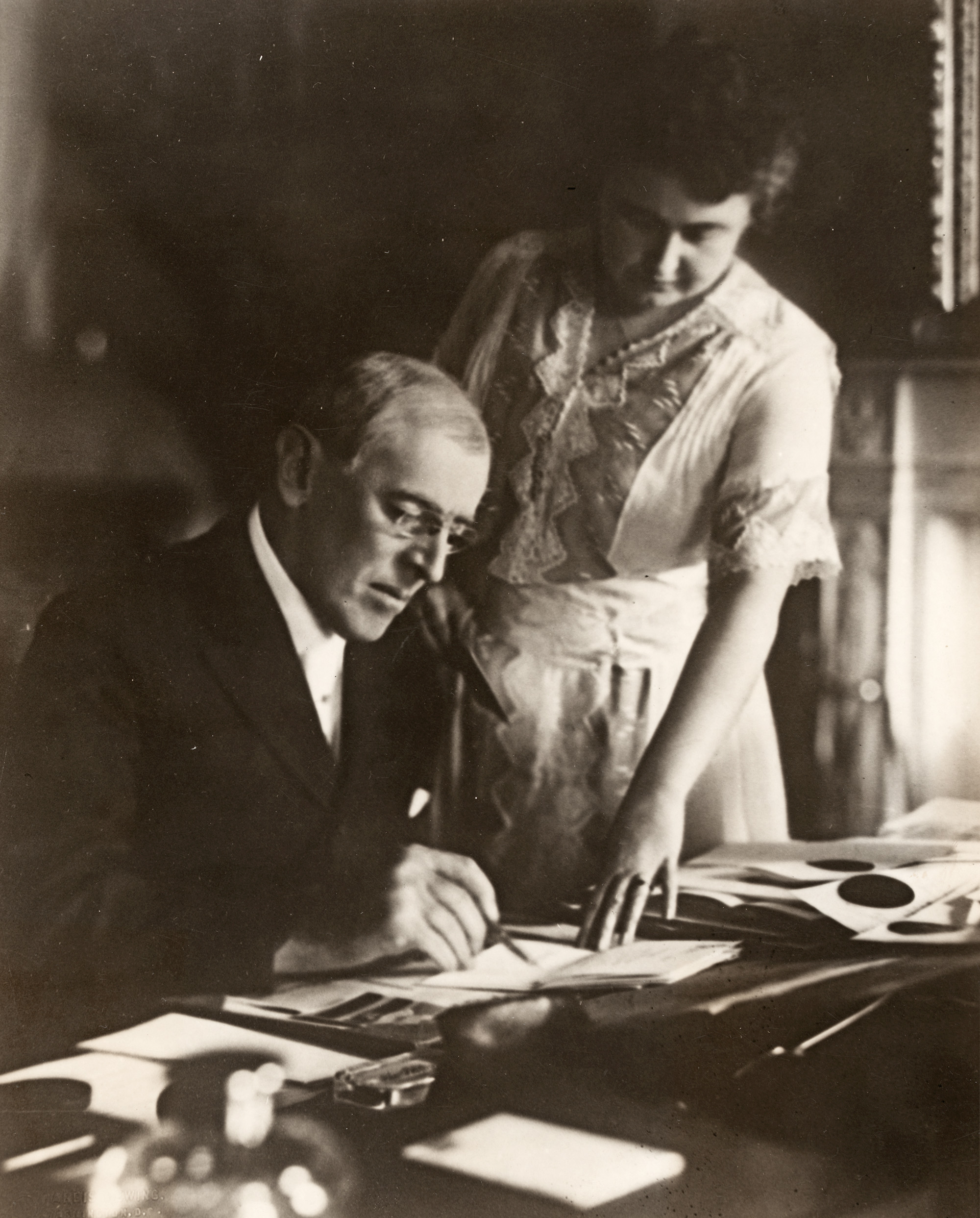
So when her husband collapsed from a stroke in October 1919, no one should have been surprised when Edith inserted herself between his sick room and the public. By controlling who saw him, what documents reached him, and what information left the room, Edith controlled access—and therefore power. She protected him from anything that might make his condition worse, which included most of the duties of the presidency. From the first day of their marriage, she had cast herself as his devoted helpmate, there to make his life easier both in private and in public.
At first, no one questioned her decision to step into her husband’s place. A sympathetic public worried over their fallen leader and supported his wife as gatekeeper. But what no one knew, what they could not know because Edith controlled the truth so closely, was just how sick Woodrow was, how many decisions he could not make, and how long his illness lasted. For weeks, he was almost totally incapacitated. For months after that, he was weak, easily confused, with slurred speech, limited vision, and a useless left arm. He tired easily and was sometimes unable to control his emotions. He slept a lot. Meanwhile, it was Edith who met with cabinet secretaries, Edith who drafted public statements, Edith who made decisions about who could visit her husband, what issues to tackle, and which to ignore.
The Constitution provided no clear mechanism for such a moment, leaving the presidency vulnerable to informal control. As history has revealed just how thoroughly and how long Edith maintained authority over the executive branch, Americans have professed themselves amazed that this unambitious woman, this wife who wanted nothing more than to serve her adored husband, had the confidence, brains, and cunning to pull off a conspiracy of this magnitude.
But anyone who pays the slightest bit of attention to Edith before her 1915 marriage shouldn’t be surprised at all. Her whole history reveals a woman of uncommon shrewdness, ingenuity, and a little ruthlessness. Were she a man, her story would be celebrated as an up-by-your-bootstraps American dream.
An Appalachian girl from dilapidated Southern gentry without much formal education, Edith managed to move to Washington on her own as a teenager and thrive in the flashy society of the nation’s capital in the Gilded Age. Beautiful and popular, she tripped lightly through romantic attachments before they became too serious. When she eventually married, she did so for stability and security, not love. She became the first licensed woman driver in DC, and blithely ignored traffic rules as she tooled around town in her electric car. After her first husband died, she took over his jewelry business and made it profitable. She enjoyed years as an independent widow of means, beholden to no one, traveling the world and pleasing only herself. She prided herself on being the bedrock of her family, supporting her mother and sister and employing her three youngest brothers. When she caught the eye of the recently widowed president, she made it clear his romantic pursuit would be more successful if he augmented his mushy love notes with discussions of foreign policy. While the President was smitten from their first date, Edith dragged her feet on marriage, hesitant to give up her independence. Maintaining the months-long facade that Woodrow was mentally perfect and fully capable of executing the duties of his office was, for Edith, entirely in keeping with her history.
“Were she a man, her story would be celebrated as an up-by-your-bootstraps American dream.”
Of course, one of the reasons Edith’s public persona as Mrs. Woodrow Wilson seems to clash with her actual decisions while Woodrow was sick is that Edith herself wanted it that way. Edith outlived her husband by thirty-seven years, and in her long second widowhood she worked very hard to cultivate an image of herself as a devoted, if somewhat naive, wife who was dedicated to protecting and serving her heroic husband. Like many women in power before and since, she was highly invested in reputation management and in pleasing and winning the approval of as many people as she could. She claims she was doing so on behalf of her husband, but of course she was curating her own image at the same time. She had to walk a thin line to do so — downplaying her own influence and ambition while boasting just a bit about the prominence she brought to the complicated job of First Lady. And she did elevate that role, pioneering the public diplomacy side that so many first ladies have taken on since then.
Some have called Edith Wilson our first woman president, which is not fair to the first woman who will one day be elected to that office. But behind her feminine deference and gracious southern manners, she was a fierce and powerful force during a turbulent chapter in American history.
Check out the lesson on Substack to be part of the discussion. Share your views, respond to others, and help deepen our understanding.
View on Substack