Americans these days tend not to trust the federal government—no matter the party of the president. Opinion polls suggest that, in the past decade and a half, trust in government has dropped to historic lows.
Many voters long for a chief executive in whom they might place faith: someone who can handle serious problems, such as the federal debt.
That makes this a good time to take a look at a lesser-known President who did manage to restore trust between our government and its people in a troubled time, Calvin Coolidge. In so doing, he demonstrated that leaders who do less can sometimes do more.
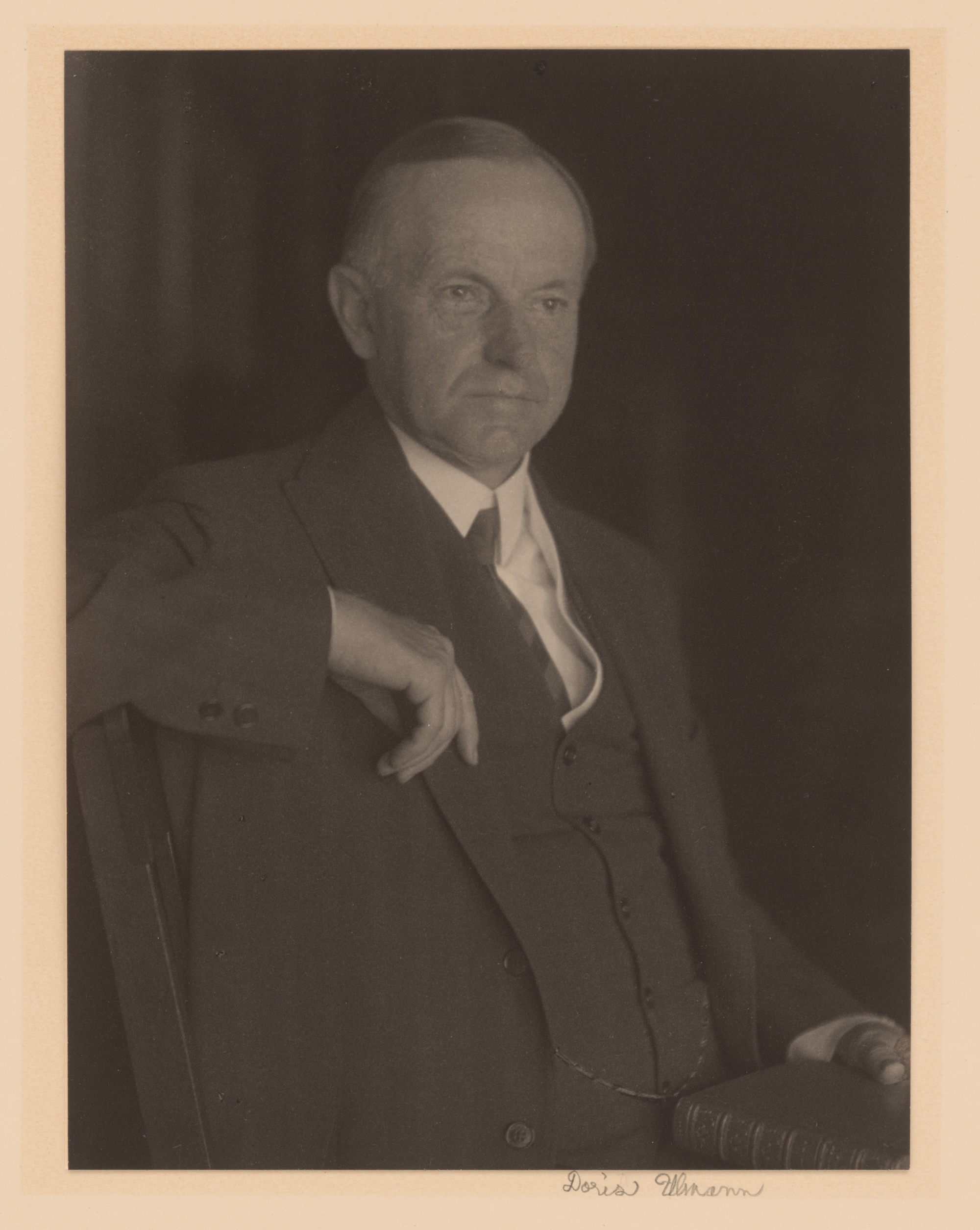
This story of trust lost and gained commences just over a century ago. In the early 1920s, as now, voters lacked confidence in Washington. Many Americans had opposed the country’s entry into World War I, and many veterans who had returned from the war struggled to find jobs. In some cities, joblessness rose above fifteen percent. The federal government still staggered under the debt from the war. Yet the obvious fiscal remedy—heavier taxation—wasn’t feasible. Tax rates already stood so high that businesses were reluctant to invest in new hires or equipment.
August, 1923 brought a tragedy that deepened the uncertainty: the President, Warren G. Harding, passed away suddenly. Few Americans knew much about the man who was succeeding Harding, Vice-President Calvin Coolidge. What they did know wasn’t promising: Coolidge had spent his career in the obscurity of Massachusetts state politics, becoming governor only shortly before Harding selected him as vice presidential candidate.
Coolidge was slight and small in stature for a president. On social occasions, he lived up to his nickname, “Silent Cal.” The highly regarded senior senator from Massachusetts, Henry Cabot Lodge, evinced little respect for him. “My God!” Lodge is said to have exclaimed on learning of Harding’s death. “That means Coolidge is President!”
“I want the people of America to be able to work less for the government and more for themselves.”
- Calvin Coolidge
Yet this accidental president determined to earn back voters’ trust in politicians. Coolidge would do that by honoring the law and by honoring promises Harding and he had made to voters in 1920. Political consultants then and now advise those who come to office suddenly to distinguish themselves from predecessors by pivoting to new policies, lest the newbie be taken for a weakling.
Coolidge was willing to run that risk. Continuity, not course correction, was what he believed the electorate needed. Harding had promised to shrink government; Coolidge would follow that plan. Harding had called for privatization of strategic oil reserves; Coolidge would push for private control where possible. Harding had promised to reduce the federal debt; Coolidge would cut it, and then some. Harding had determined that a series of tax cuts, not hikes, would so strengthen business that it would provide missing jobs. Coolidge vowed to “bend my energies” to continue cuts.
Two obstacles stood in Coolidge’s way. His own Republican Party was in the process of splitting between conservative and progressive factions, the latter led by Wisconsin Senator Robert “Fighting Bob” LaFollette. The second challenge was a scandal involving the privatization of oil reserves that emerged only after Harding’s death.
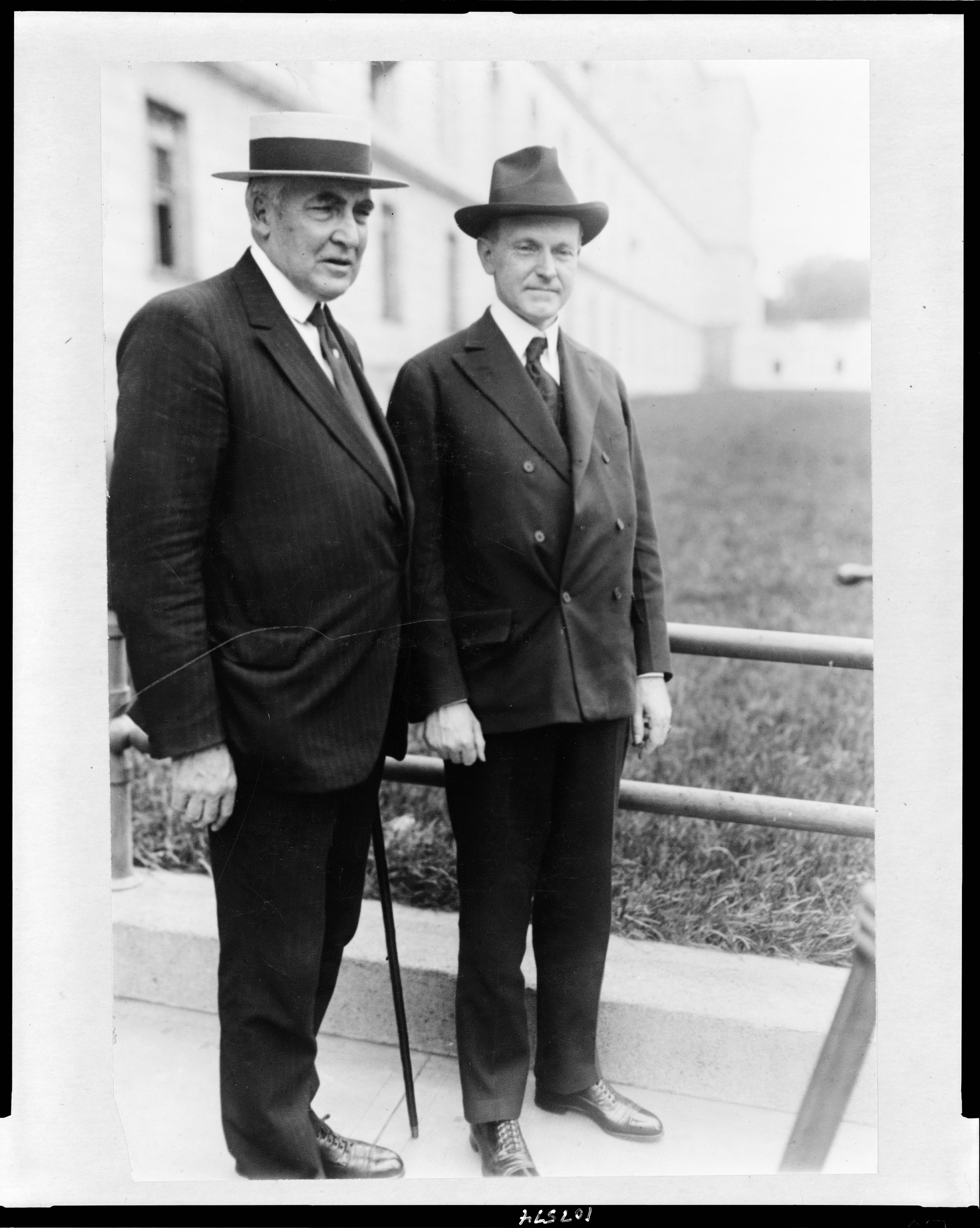
Instead of being sold in honest auction, lucrative contracts had gone to friends of friends of Harding. Thus did a worthy effort at privatization become an embarrassment called Teapot Dome. To put Teapot Dome behind him, Coolidge ordered a rigorous bipartisan investigation, eventually eliciting the resignation of the cabinet members involved. To explain Harding’s tax policy, Coolidge spoke up: “I want the people of America to be able to work less for the government and more for themselves,” he told the nation. “I want them to have the rewards of their own industry.”
Unlike modern politicians, Coolidge found tax cuts without budget cuts too risky. Even as he pursued tax cuts, he cut away at the budget, likening his work to “cheese paring” at the family cheese factory in Vermont. Twice a year, Coolidge summoned hundreds of employees to a general meeting at which they were exhorted to save anywhere they could, including when it came to saving string or postage. “Write fewer letters!” read one directive. To underscore his point, Coolidge named a pair of lion cubs that had been given to the White House “Budget Bureau” and “Tax Reduction.”
Coolidge likewise vetoed the numerous plans to increase spending that crossed his desk. He even vetoed funding for veterans, a deeply unpopular move—twice. “We have no money to bestow upon a class of people that is not taken from the whole people,” Coolidge intoned.
What the people saw too was that President practiced what he preached. Whereas the Harding White House had been known for its parties, the Coolidge White House was known for its parsimony. The housekeeper at the White House, Elizabeth Jaffray, was a fixture who had been there since the Tafts. When Jaffray refused to economize, Coolidge replaced her.
As a result of such restraint, the government was actually smaller when Coolidge left office than when he entered, a feat never replicated by his peacetime successors. What’s more, the war debt was down by one-third.
“The government was actually smaller when Coolidge left office than when he entered, a feat never replicated by his peacetime successors.”
When Coolidge ran for President himself in 1924, he indeed confronted not one but two parties: the Democrats, and the new Progressives, led by LaFollette. In three-way races, the victor usually wins by a mere plurality. Yet Coolidge took an absolute majority, beating the other two parties combined. He became so popular that later, when he refused to run for a second elected term, the Republican Party reacted with incomprehension.
Why the turnaround? The obvious reason is that the Harding-Coolidge agenda brought rewards, and not only to the rich. With a lighter tax burden, the economy expanded, and tax revenues proved strong. Many veterans did find good jobs. The standard of living rose palpably as Americans got their first home appliances and their first Model Ts, and then, Model As. Across the nation, good feeling largely supplanted frustration. Even the dread practice of lynching abated. Productivity at factories climbed so fast that employers such as Henry Ford found they could cut the work week from six days to five. It is hard to dislike a President whose policies give you a gift called “Saturday.”
Perhaps voters also admired Coolidge’s respect for America’s Framers. Where other presidents have sought to expand the presidency, Coolidge observed its constitutional limits. The office, not the man, came first with Coolidge. “It is a great advantage to a President, and a major source of safety to the country,” he said, “for him to know that he is not a great man.”
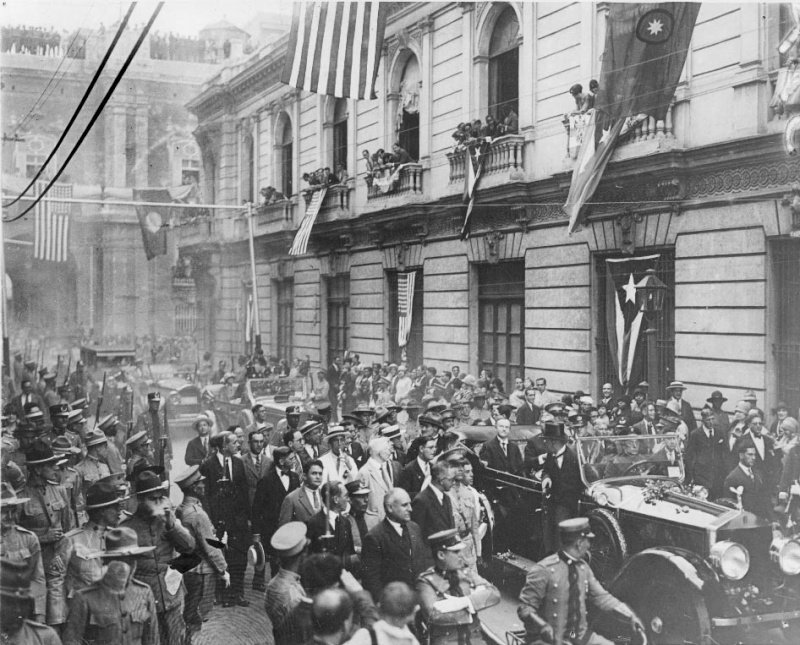
Like other presidents, Coolidge had his flaws. The President travelled to Cuba to urge good feeling in our hemisphere, yet refused to push for the one step that meant most to Cuba: abolishing tariffs. He meant to name conservative justices to the Supreme Court—justices who might continue his traditions. Yet in at least one case, he did the reverse. He nominated a college acquaintance, Harlan Fiske Stone, for the bench. It was Stone who sanctioned the introduction of Social Security, a program Coolidge anticipated —and feared.
Even voters who didn’t like every Coolidge policy appreciated the President’s consistency. They noticed that the man lived by example. The trust that Coolidge banked for the presidential office stands as a model in our own tempestuous times. For this alone, he deserves our respect.
Check out the lesson on Substack to be part of the discussion. Share your views, respond to others, and help deepen our understanding.
View on Substack