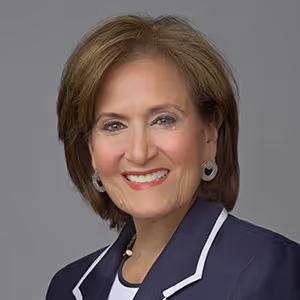
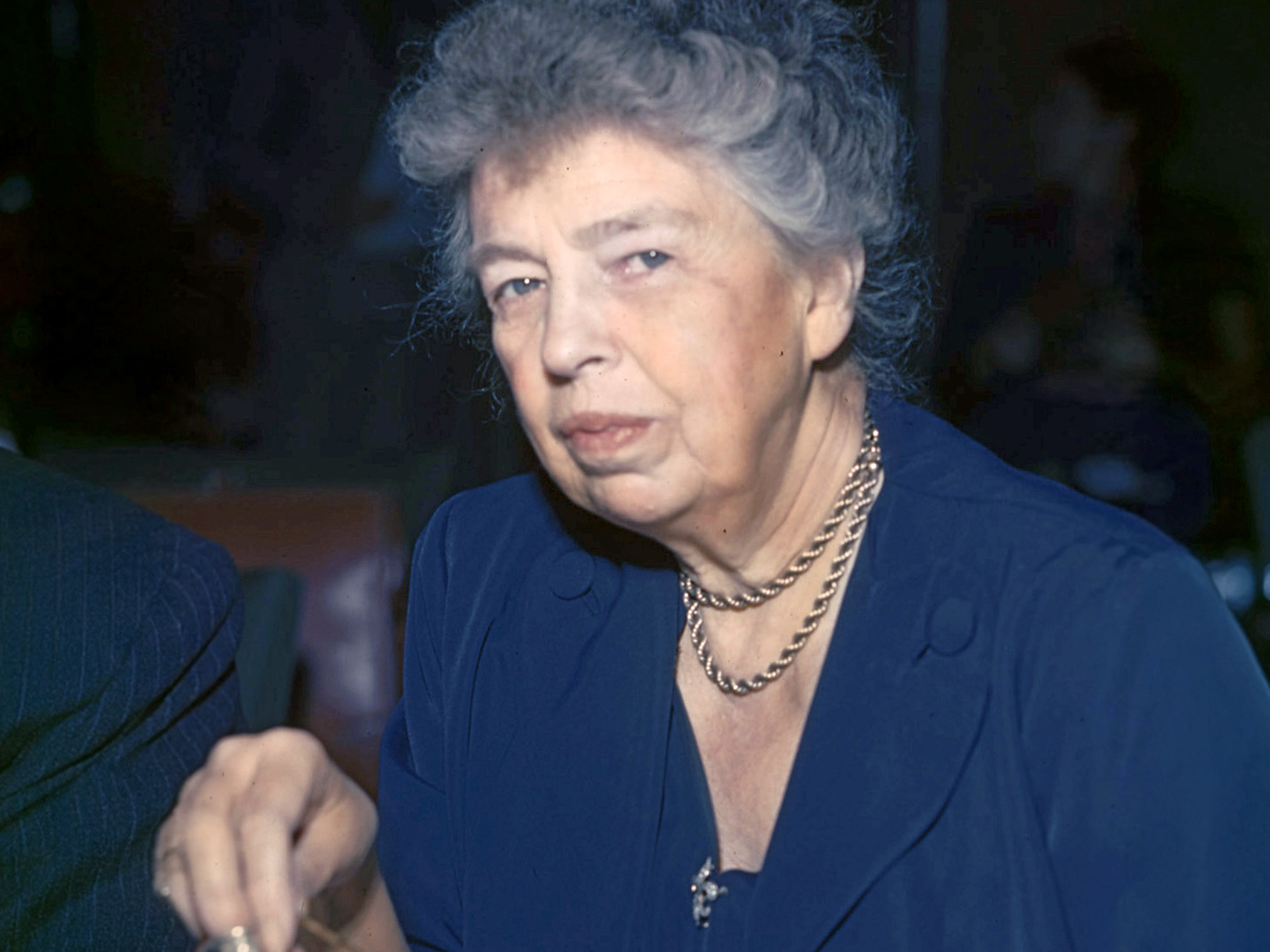
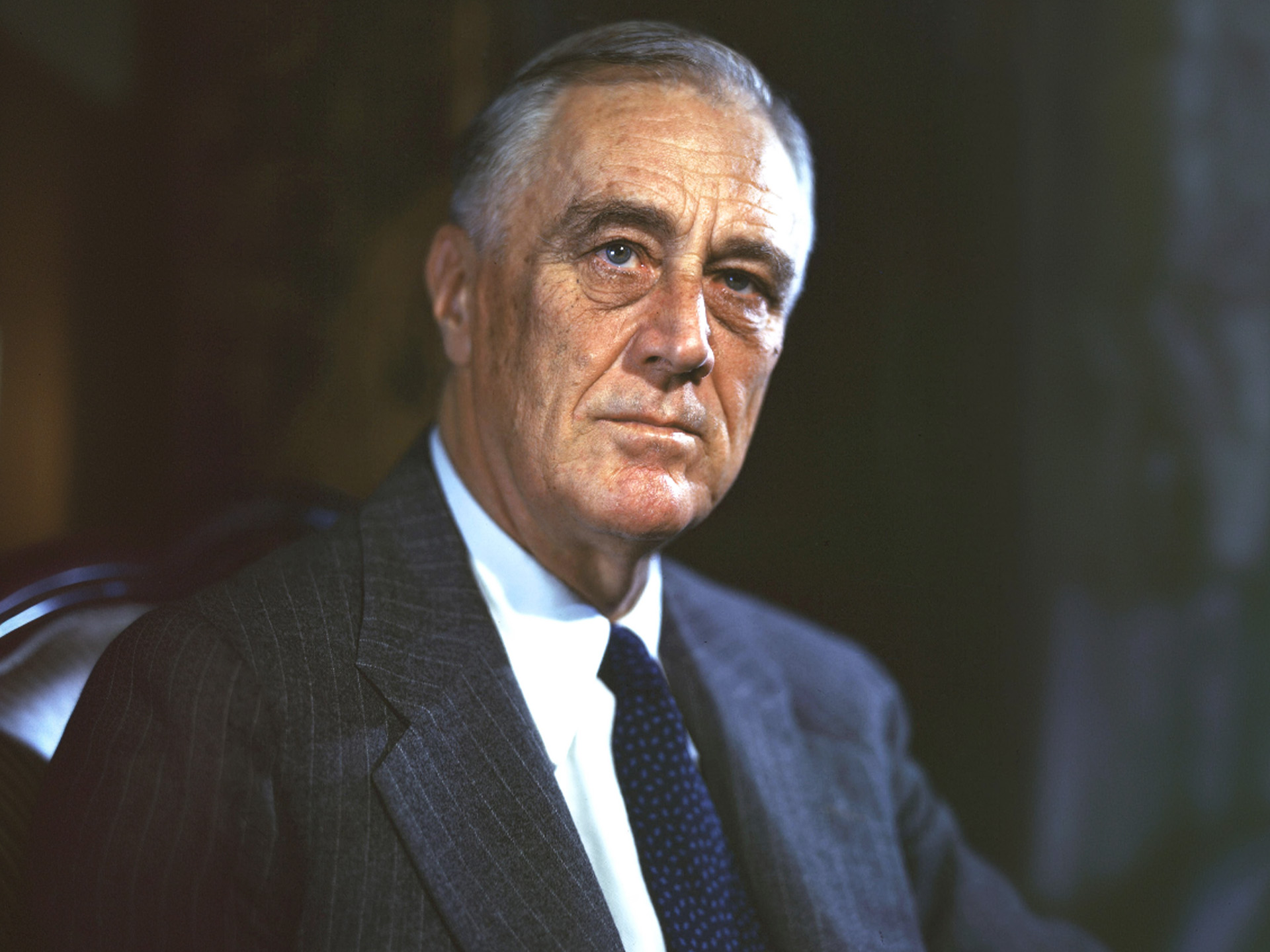
Elizabeth “Bess” Wallace Truman was the second lady for just eighty-two days when President Franklin Roosevelt died and Harry Truman was sworn in as president. Bess had no desire for her husband to become president, and she did not wish to become first lady. Most important to her was protecting her family’s privacy and the ability to retreat to their family home in Independence, Missouri, and avoid the press as much as possible. She had good reason–she was petrified that the public would find out her father had committed suicide when she was eighteen years old. Bess also knew she could never be as evocative as Eleanor Roosevelt and was concerned that the country would have to get used to a new approach after twelve years of Eleanor’s publicity and activism.
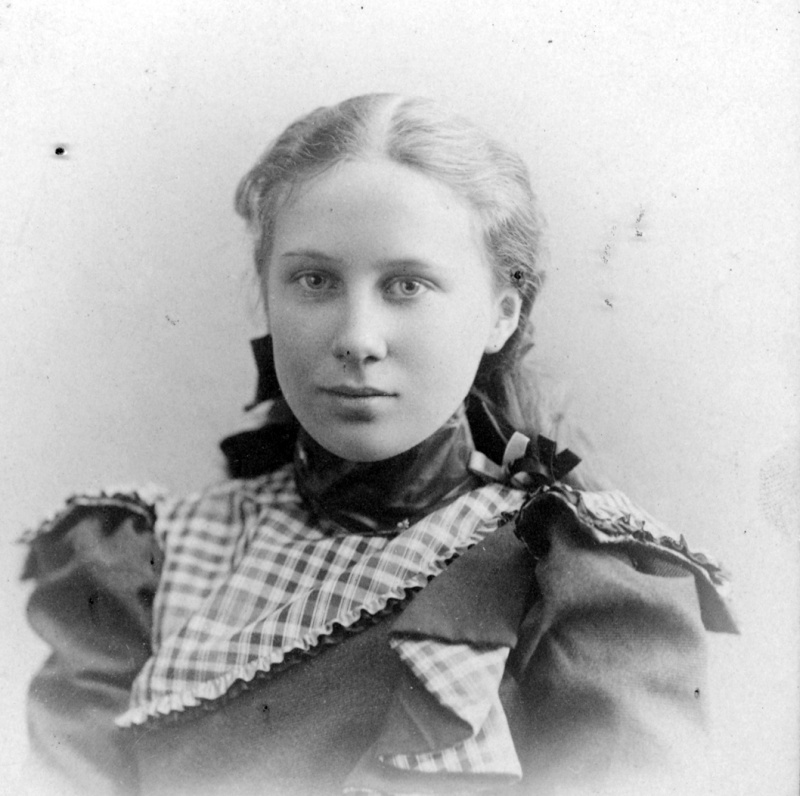
Born in 1885, Bess was the oldest of four children and the only girl. Her mother was from a prominent family and ignored her husband’s financial struggles and his battle with alcohol. Despite this, Bess led a peaceful and happy childhood. She was an excellent student and might have gone to college had it not been for her father’s financial situation. She made friends easily and loved sports, from baseball to basketball to horseback riding. For Bess, participation in sports was her first stride toward self-confidence. By the time she got to high school, she became the best tennis player in Independence. By any standard, she was a tomboy.
Bess’s carefree existence ended the day her father took his life. Strong-minded and intelligent, she immediately took charge of her three brothers and fragile mother, but also became more private. She concluded her mother’s approach to marriage – a “passive, mindless love of a genteel lady […] had been a mistake.” She vowed that when she married, she would share her husband’s whole life, both the good and the bad.
Bess first met Harry Truman at Sunday school. Harry wrote in his memoirs that he fell in love with five-year-old Bess and never stopped loving her. After a long courtship, they secretly got engaged in 1913 but did not marry until Harry returned from World War I in 1919.
A series of unsuccessful business ventures did not deter Bess’s faith in Harry. She took control of the couple’s finances, and they lived frugally. When Kansas City Democratic party bosses approached Harry about opportunities for a career in politics, Bess had reservations, but supported Harry’s decision to run.
In Harry’s first public service position as county judge, Bess traveled with him and learned every political and legal aspect of his job. She was sensitive to public criticism of their close political relationship and stayed out of the limelight, not wanting to appear that she was helping make the decisions.
Party bosses chose Truman to run for the U.S. Senate in 1934. Bess became a paid clerk in his Senate office and expanded her knowledge of political issues. When Harry led a sweeping Congressional investigation of waste and fraud in the national defense industry, it was Bess who encouraged Harry to widen his investigation, even if it meant embarrassing President Roosevelt. She was proud that Harry had a reputation for honesty and integrity, but Harry gave Bess full credit for his success as a public servant.
Bess’s happy balance of work and social life changed dramatically in the summer of 1944 when President Roosevelt chose Truman as his running mate. For most of her time as second lady she harbored the hope that her husband’s load would be lightened as World War II ended. Then came President Roosevelt’s death on April 12, 1945. Biographical sketches of Bess’s life consider the transition to the more visible role as first lady as the most difficult period of her life. Bess feared the increased publicity. She also knew she could never be Eleanor, nor did she want to be. But what might be viewed as reluctance, rigidity, or a lack of desire to use her position aggressively must also be seen as a strong internal belief that her own approach was adequate to the task.
“Mother stood her ground.”
- Margaret Truman
Her deep sense of duty to the country helped her undertake the demanding new role in front of her. In a letter to her friend in Independence, Mary Paxton Keely, Bess indicated her distress, as well as her determination, “…We are not any of us happy to be where we are, but there’s nothing to be done about it except do our best–and forget about the sacrifices and many unpleasant things that bob up.”
Bess focused on traditional values, maintaining the dignity of the White House, and supporting the President. In the post-war period she threw herself into the job of entertaining official Washington and earned the reputation of a socially active first lady. It was a time of global upheaval, when the new president’s principal responsibility was ending the war and negotiating an arrangement for world peace with the United States’ new antagonist – the Soviet Union. As Cold War tensions began, Bess’s role included a focus on diplomacy to support her husband’s policies aimed at containing this threat, drawing on her passion for sports to highlight American society and its values. Bess also navigated the domestic societal shifts of the post-war era, including the beginnings of the civil rights movement and changing gender roles.
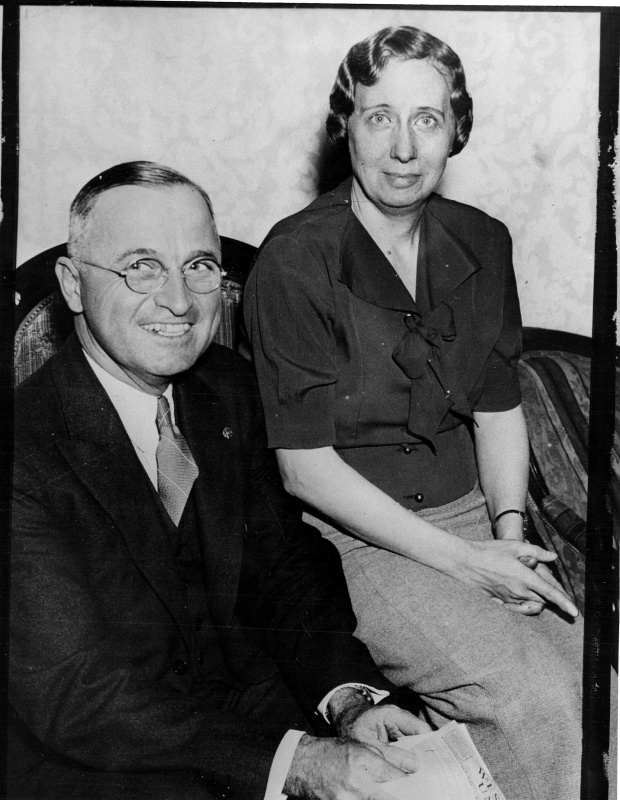
When it came to public perception of Bess, some viewed her as less dynamic, but many appreciated her humility and reflection of the values of her era. Her daughter, Margaret Truman, wrote that despite the “squawks from the frustrated reporters…mother stood her ground.” She ultimately received more kindly treatment than she might have expected. Instead of presenting her as noncooperative, reclusive, or even hostile, the press wrote about her in positive terms, referring to her as independent and an individualist. Some found Mrs. Truman a welcome relief from Mrs. Roosevelt.
There was one matter, however, on which Bess came out from behind the scenes and exerted her influence. Despite Harry’s reference to the White House as the “great white sepulcher of ambitions,” the mansion was the physical symbol of the presidency, and the Trumans viewed it as their duty to live there. But by the late 1940s, it was in severe disrepair with structural problems. Many in Congress advocated for tearing down the historic residence and constructing a new one, believing the cost of preserving the original walls was unjustified. Bess disagreed with this plan, as did the president. They insisted on a renovation that balanced preservation and modernization. Bess, especially, played a crucial role in saving the White House from demolition. She acted behind the scenes, at first lobbying congressional spouses and Members by phone. Bess then marched up to Capitol Hill, “navigating the corridors of power like a battleship.” Years of reading The Congressional Record taught her which legislators wielded the most influence. Then she did the one thing she previously refused to do – she spoke to the media. Her efforts helped sway opinion. Congress appropriated the necessary funds to preserve the original stone walls built in the 1790s and completely reconstruct the interior with modern materials and conveniences.
Bess Truman, or “The Boss” as Harry called her, was the pillar of strength in her husband’s life and played an indispensable role as his partner and counselor on decisions big and small. “I discussed all of them with her.” Truman said, “Her judgment was always good. She never made a suggestion that wasn’t for the welfare and benefit of the country and what I was trying to do.”
Bess Truman was a shrewd behind-the-scenes political operator who was straightforward, principled, and did not bend to pressures to play a part that felt false to her. She may have had a passion for anonymity that made her one of the least known first ladies, but she was undeniably influential, and her approach demonstrates that leaders don’t always need the spotlight to shape the outcome.
“Leaders don't always need the spotlight to shape the outcome.”
Check out the lesson on Substack to be part of the discussion. Share your views, respond to others, and help deepen our understanding.
View on Substack