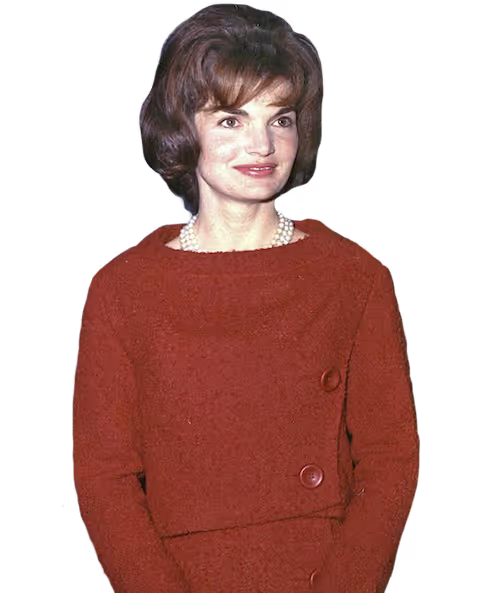
Soon after Richard Nixon became vice president under Dwight D. Eisenhower in 1953, the new president recognized one of his VP’s best diplomatic assets:
His wife Pat.
The beginnings of Pat Nixon’s foreign policy expertise began early in her tenure as Second Lady. The president was among the first to notice and nurture her inherent talent for foreign relations. In June of 1953, Eisenhower told his vice president: “I want you to go on a goodwill trip – and take Pat with you.” This lengthy journey throughout Asia would begin in October and last for over two months.
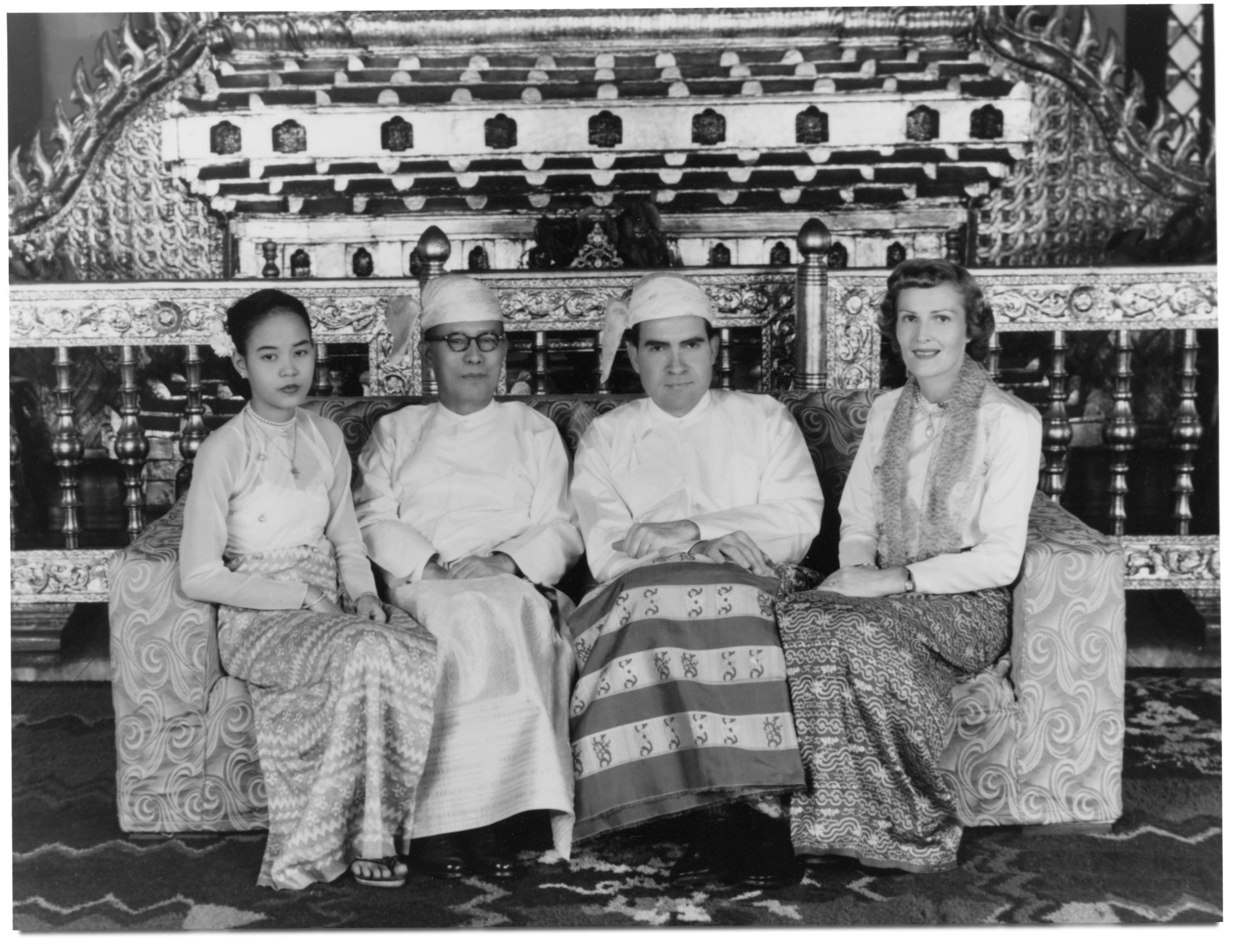
No wife of an American elected official had ever been included in such an effort. Pat wasn’t content to let that be the only “first” on her trip. She defied traditional protocols, refusing to spend much time on formal events. Instead, she insisted on meeting everyday people where they lived and worked: in schools, in hospitals, in the markets, and in the streets.
After this global goodwill trip, Pat told the media “Everywhere I went it helped women.” Her insistence on being seen in public with her husband sent a powerful message to the international community about women and their important place in society. This effort was particularly notable in many of these countries where women were rarely seen or heard outside the home.
Early on, Pat understood the power of warmth and compassion: attributes which transcended speech. She wrote, “People can sense when another is friendly and genuinely interested. Smile is the universal language.”
As both Second and First Lady, Pat would risk her own safety and health on numerous foreign trips to reach out to those in need on behalf of the United States. In 1955, Pat visited a leper colony in Panama. When asked if she had hesitated to shake the hands of the patients there, she said, “No because I honestly feel that when you do what you know is right, God will take care of you. I was not afraid.”
In the spring of 1958, the president again told Nixon to “take Pat” – this time on a trip to Latin America to shore up American relations. The trip was meant to be largely ceremonial in nature, but it quickly became dangerous. In Caracas, Venezuela, Communist mobs violently attacked the vice presidential motorcade, throwing bricks and rocks, and trying to overturn Nixon’s automobile.
Pat was in a separate car trying to comfort the wife of the foreign minister. Don Hughes, the military aide assigned to Mrs. Nixon recalled, “Mrs. Nixon had her arms around this lady [the foreign minister’s wife] and was trying to calm her down … she showed me a lot of fortitude because I was really concerned that we weren’t going to make it.”
“She is the best ambassador the United States has.”
- Richard Nixon
Miraculously, the motorcade was finally able to escape and make their way to the American embassy. Despite facing grave danger in Caracas, Pat Nixon continued to travel extensively on behalf of the nation knowing she and her husband were often political targets. She did not let violence or threats stop her diplomatic efforts across the globe.
Her love of other cultures and countries was both infectious and genuine. It’s no surprise that later as First Lady she would declare, “People are my project.” This was a statement encompassing not only Americans at home, but also her embrace of people from all nations.
In July of 1969, the newly elected president and First Lady made a secret trip to war-torn Vietnam. Here, Pat was the first First Lady to enter an active combat zone in an open helicopter. While in South Vietnam, she visited American soldiers in hospitals, children left orphaned there by the conflict, as well as South Vietnamese allies – strengthening their spirits with her presence.
In May of 1970, the Great Peruvian Earthquake devastated the country, killing 70,000, injuring 50,000, and leaving 800,000 homeless. Pat saw reports of the tragedy on television and felt compelled to do something to assist. President Nixon knew his wife was well prepared to handle this high-profile mission on her own and declared her his solo Global Ambassador. Pat was the first First Lady to hold this designation.

The First Lady headed to the stricken country with two plane loads of supplies. She also brought relief funds and a deep sense of empathy and leadership to Peru during one of its darkest hours. Yet again disregarding personal risk, Pat flew into the worst-hit areas in Peru on a repurposed cargo plane, seated on a kitchen chair hastily bolted to the plane’s floor with no seat belt.
Once she landed, she and Peruvian First Lady Consuelo Velasco picked their way across the earthquake rubble to meet survivors of the quake. Pat hugged the victims and listened empathetically to their stories: this was an entirely new approach, but the Peruvian First Lady quickly followed her lead. Pat did not fly to Peru looking for credit; she flew to Peru because she truly cared and wanted to connect with Peruvians in their time of great sadness and need.
A recent comment from a young Peruvian man reflects the deep admiration still present in Peru for this American First Lady: “Mrs. Nixon is in all the history books. We all remember what she did to help us in 1970 after the earthquake.” The First Lady’s compassionate assistance made a deep impression on the people of Peru and did more to strengthen relations between the two nations than any U.S. gesture before – or arguably since.
Perhaps Pat’s most widely known diplomatic legacy is her “panda diplomacy.” After a trail blazing trip to China with her husband in 1972, Pat’s rapport with Chinese Premier Chou En-Lai resulted in the gift of a pair of pandas. This goodwill offering of the adorable beasts continues to this day between the U.S. and China, engaging zoo visitors and sustaining ties between the two nations.
Soon after the China trip, the First Lady flew to the Soviet Union with her husband. Here, she met with the wives of diplomats and government officials. The First Lady and the Soviet women all agreed on their fervent wish for peace, helping to facilitate the success of the Antiballistic Missile Treaty of 1972. Hollywood movie star Jimmy Stewart later noted that Pat “represents best the president’s policy of reconciliation – the desire for a people-to-people bond that reinforces the universal desire for peace.”
“She was simply herself.”
President Nixon pointed out in a newspaper article in 1974 that his wife had traveled more than any other First Lady before her. As he sent her off on a solo trip to Latin America, he proudly noted: “She is the best ambassador the United States has.”
But Pat never let praise go to her head. As both Second and First Lady, Pat instead “used to remind herself before she met with presidents and potentates, kings and queens, ‘You are just Pat Nixon from Artesia.’” Perhaps the real key to Pat Nixon’s striking diplomatic successes was that she was simply herself. She did not put on airs or try to be someone she was not. She consistently displayed three key traits: personal authenticity, empathy, and compassion towards others. These admirable qualities connected the First Lady to those from other cultures in a manner that continues to pay diplomatic dividends to the United States today.
Check out the lesson on Substack to be part of the discussion. Share your views, respond to others, and help deepen our understanding.
View on Substack