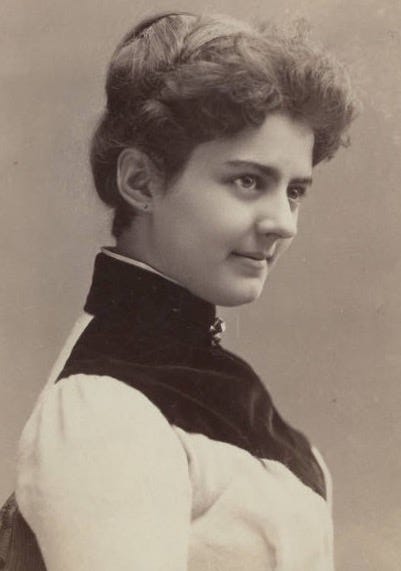
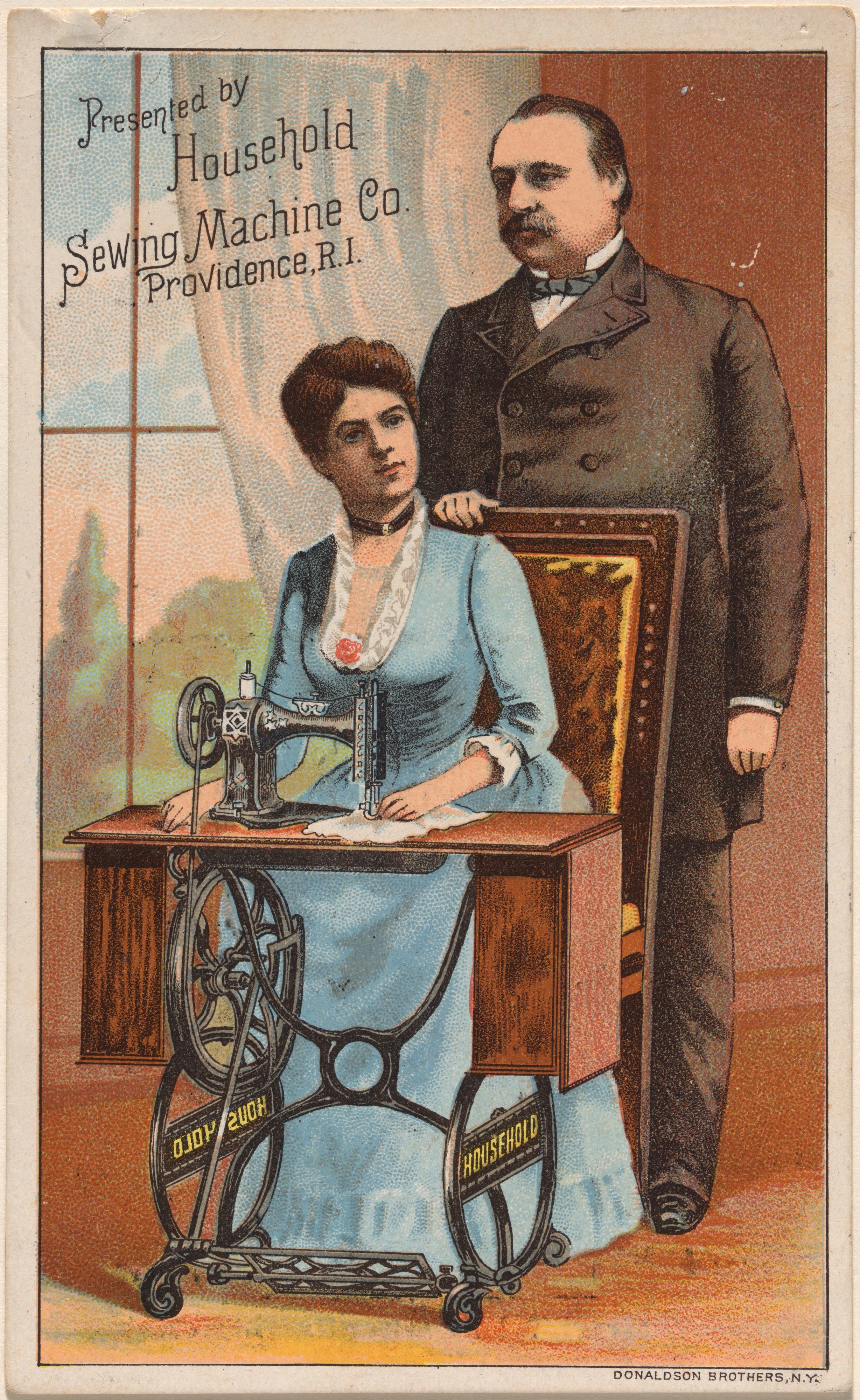
In 1888, you could buy Frances Cleveland almost anywhere in America.
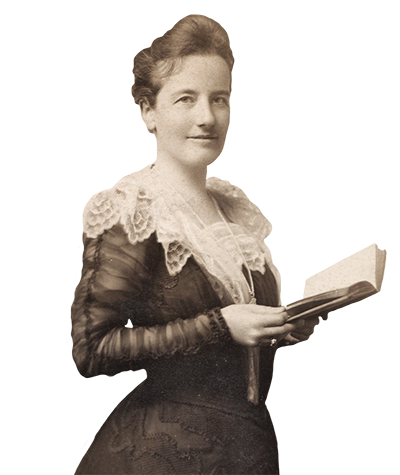
Her face appeared on soap wrappers and perfume bottles, candy tins and liver pills, ashtrays, playing cards, ceramic tiles – even women’s undergarments. None of it was authorized. None of it was compensated.
The exploitation grew so brazen that Congress considered a bill to ban using any woman’s likeness commercially without her written permission. It never came to a vote. The First Lady of the United States had become, without her consent, one of the most valuable advertising images in the country.
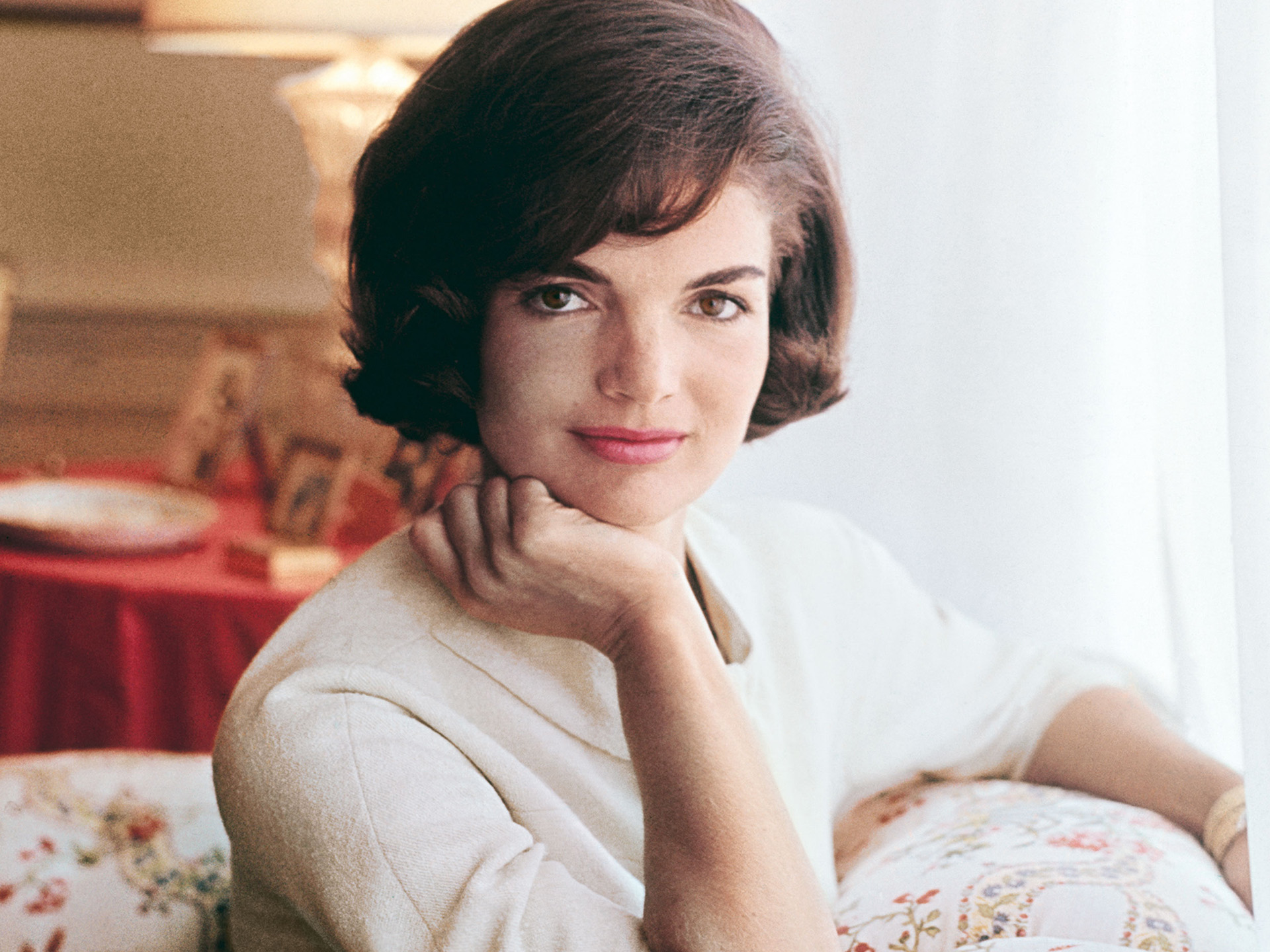
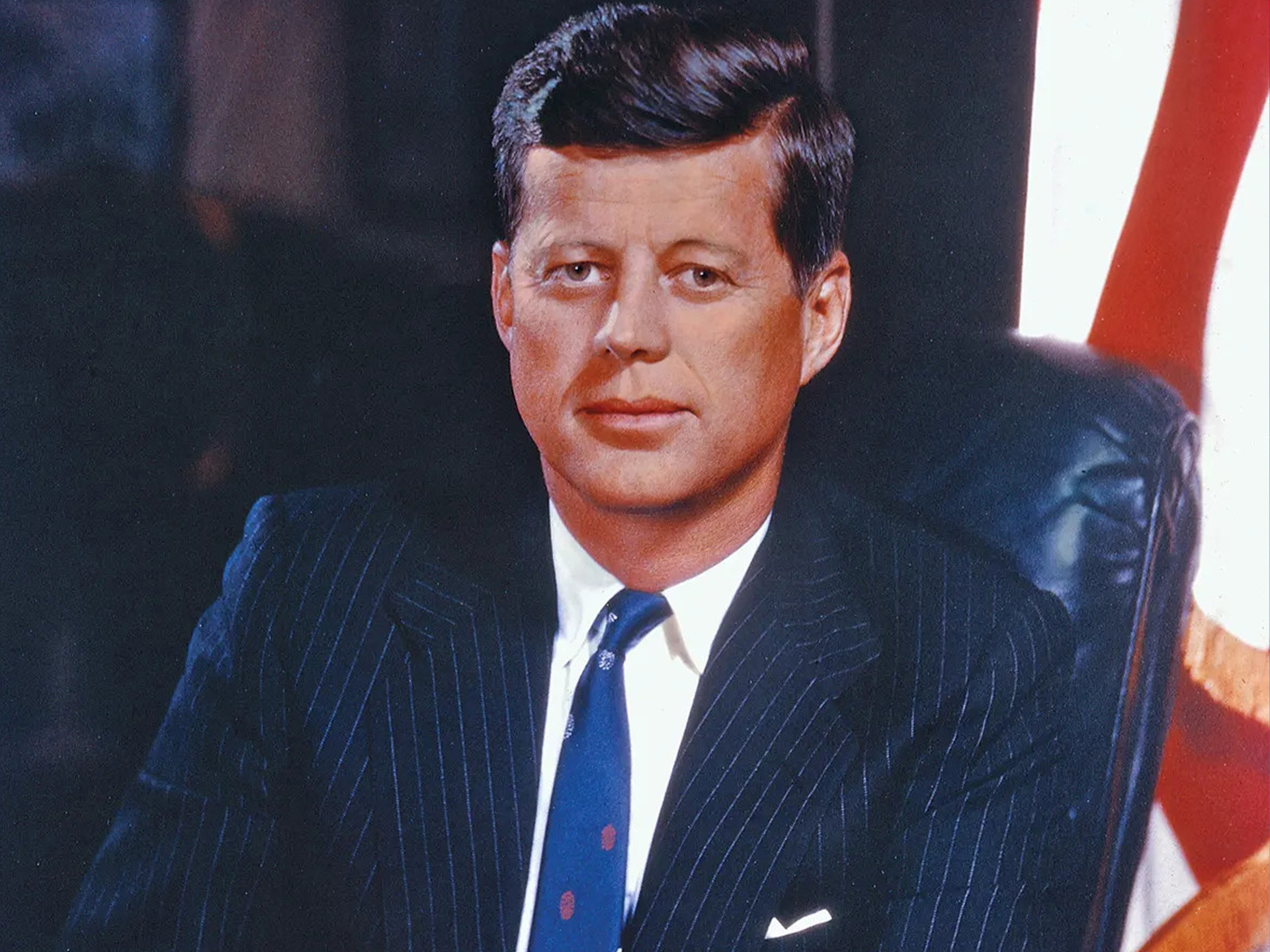
“She was the Jackie Kennedy of her time,” Louis Picone, the presidential historian who chairs the Grover Cleveland Presidential Library & Museum at Cleveland’s birthplace, said. “There was no First Lady like her before in American history.”
Never heard of her? You’re not alone. I grew up in West Caldwell, New Jersey, five minutes from that birthplace – the site of many Fourth of July ice cream socials and school trips. And I can’t recall a single mention of Frances Folsom in those years, even in history class at the nearby middle school – which is named for her husband!
But there’s no mistaking it – Frances Cleveland is one of the great hidden forces in American history. The precedents she set are still in play. And her lesson only grows more urgent as the machinery of attention grows more powerful.
After all, young, radiant, magnetic, she arrived at the precise moment America acquired the technology to mass-produce images, becoming one of the very first Americans – and first First Ladies – to experience the mass celebrity machine that surrounds us still.
Other First Ladies had been beloved. None had been this exposed.
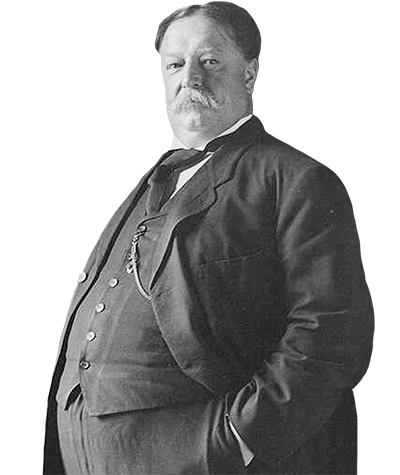
On June 2, 1886, Frances Folsom married President Grover Cleveland in the Blue Room of the White House – the only presidential wedding ever held there, and the stuff of national rapture. He was 49, gruff, heavyset, allergic to charm. Folsom was luminous, quick-witted, freshly graduated from Wells College – and the public could not get enough of her.
She was only 21.
Grover had known Frances her entire life. He was her father’s law partner and closest friend. When Oscar Folsom died in a carriage accident, Cleveland became administrator of the estate – a guardian in all but name to the eleven-year-old girl he would one day marry. Washington had assumed he was courting her widowed mother. When the truth came out, heads shook and haven’t stopped since. One of the most commanding women of her era arrived at the center of American life through an arrangement that many saw as inappropriately imbalanced – and not in her favor.
But what she did there is where her lesson for the next chapter of the American experiment lives. Whatever forces brought her into public life, she learned to command the strange power it gave her.
“Whatever forces brought her into public life, she learned to command the strange power it gave her.”
When the media machine followed the Clevelands to their honeymoon in the Maryland mountains, reporters peered into the couple’s rooms with binoculars and lifted the covers off their dinner plates to report what the newlyweds ate. Grover erupted, denouncing the press’s “contemptible” conduct in a public letter. Her husband would spend the rest of his life raging at the machine.
Frances took advantage of it. When the 1888 campaign spread rumors that Grover beat her, she ended the story herself with a single open letter, published nationwide, wishing American women “no greater blessing than that their homes and lives may be as happy, and their husbands may be as kind, attentive and considerate, and affectionate as mine.”
As the public grew more comfortable with her marriage, fan letters arrived by the thousands – so many that she hired a secretary to manage them. Crowds fought to glimpse her. Women copied her so faithfully that when a newspaper reported she had abandoned the bustle (a frame that puffed out skirts from behind), the bustle was finished – almost overnight. (She later helped popularize the feather boas and tight gowns that became Gilded Age staples.) “Frankie Clubs” sprang up across the country, a nickname she never loved.
But she came to realize this was not merely directable attention. It was leverage.
Frances turned the country’s gaze toward the people the Gilded Age was most determined not to see. She focused attention on the Washington Home for Friendless Colored Girls, encouraging white society women to support it; she knew they would go where she went. She promoted the Colored Christmas Club, which each December gathered Washington’s poorest children for food, gifts, and entertainment. She opened the White House on Saturday afternoons so clerks, shopgirls, teachers, and seamstresses could attend receptions that weekday custom had reserved for women of leisure. She noticed who was being left out and rearranged the calendar of power to include them.
In 1888, she lent the First Lady’s presence to an international copyright convention – the cause of protecting creators from having their work taken without consent or payment. The most pirated face in America showed up for the principle that had failed to protect her.
And between her husband’s terms, Frances kept going. She served as vice president of the New York Kindergarten Association, advancing free kindergartens for poor children – then a radical idea. She remained tied to Wells College for decades. Later, through widowhood, remarriage, and two world wars, she worked with the Needlework Guild, which made clothing for the impoverished, eventually rising to national leadership. Not a season of charity, but six decades of it. Fame, to her, was not an asset she owned for private gain but a trust she held for public gain.
When the Clevelands returned to the White House in 1893, Frances showed she understood the other side of her strange power. That summer, Grover underwent secret surgery for cancer, with financial markets hanging on his health. Frances deflected the White House press corps without a single false step. Attention, she knew, was also something that could be withheld.
Her husband had built his career on five words: “Public office is a public trust.” It was the creed of his mayoralty, his governorship, his presidency – the conviction that power held in the people’s name must never be converted to private gain.
But Frances held no office. She was never elected, appointed, or sworn. What, exactly, had been entrusted to her?
The answer was something the framers had never named: the attention of an entire nation. The American experiment had minted a new kind of power – power without office – and handed it to a recent college graduate.
She could not stop the machine from printing her face. So, she decided what that face would make people think about.
Her example set the bar for her successors, giving them a template that was in no way inevitable as the new norm for our First Ladies. Eleanor Roosevelt trained the spotlight on coal miners and sharecroppers, Betty Ford on breast cancer, Rosalynn Carter on mental illness, Michelle Obama on children’s health; the list goes on. None were elected to any office. All of them exercised the trust for which Frances set the bar.
As the republic enters its next 250 years, attention – who gets it, who directs it, who profits from it – may shape American life as much as any law. No act of Congress can guard it for us. It will be kept or squandered one holder at a time.
Frances Cleveland was amongst the first to face the test. Handed a power the framers never named, at 21, with no precedent to consult, she treated it the way her husband treated his office.
His creed carried him from Buffalo to the White House twice. But the amendment belongs to his wife.
Public office may be a public trust. But public attention is one too.
“Public office may be a public trust. But public attention is one too.”
Check out the lesson on Substack to be part of the discussion. Share your views, respond to others, and help deepen our understanding.
View on Substack