“I doubt if there is any man in America,” the muckraking journalist Ida Tarbell said of President Woodrow Wilson, “that can talk… with such precision and at the same time so like a human being.”
From 1913 to 1921, Wilson used his outsized gifts as a public speaker to persuade Congress to rewrite the rules of American economic life and transform the U.S. relationship with the world. In counting too heavily on the power of words, however, he slighted the other arts of leadership and ultimately sabotaged the vision he cherished most.
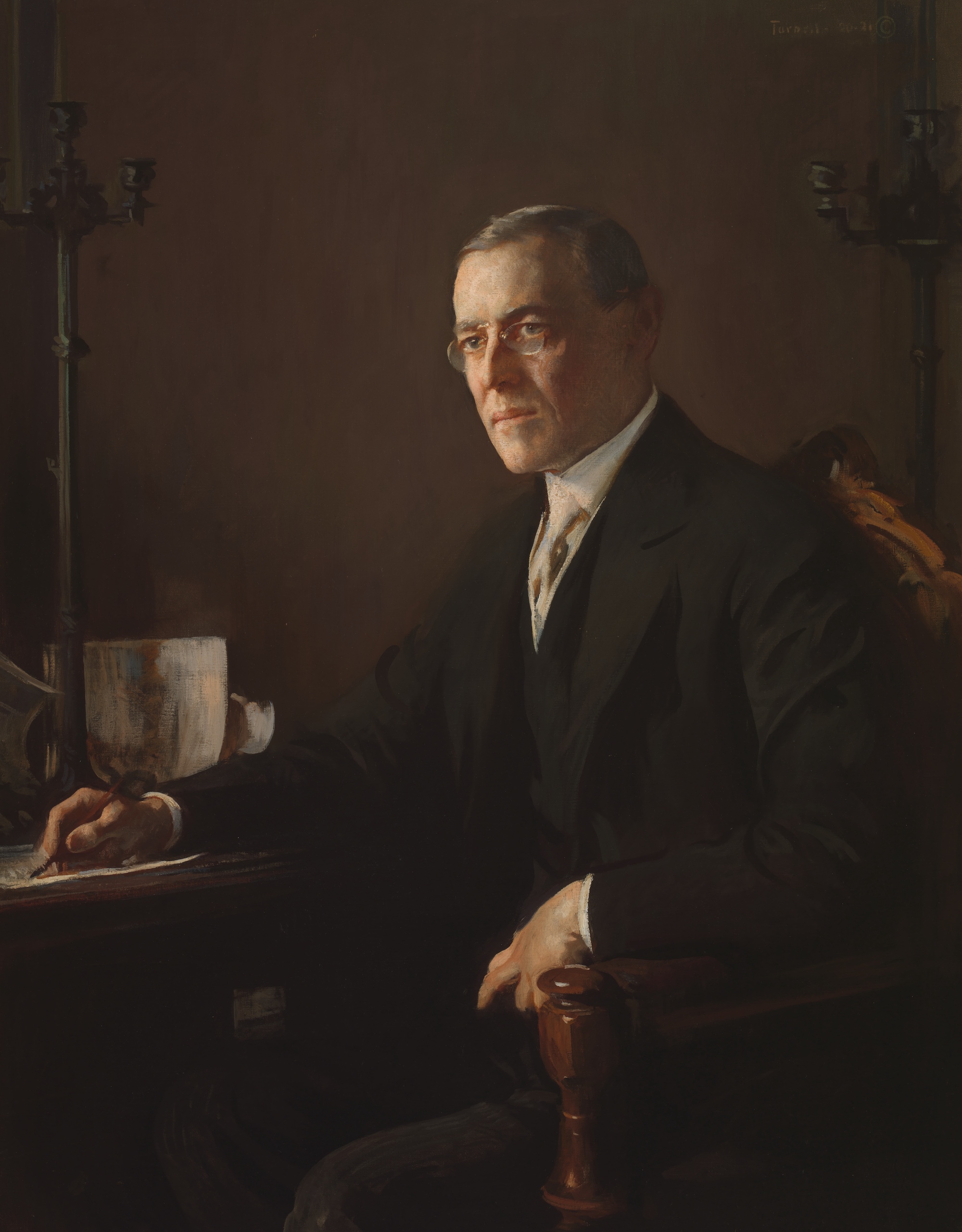
Thomas Woodrow Wilson was born in Virginia in 1856, the son of a Presbyterian minister, and grew up in Georgia and the Carolinas. He graduated from Princeton, earned a doctorate in political science from Johns Hopkins, and spent most of his academic career at Princeton.
He entered politics in 1910 as a Democrat and won the governorship of New Jersey. Two years later, he captured the presidency after a campaign that highlighted his eloquence. His platform, the New Freedom, promised freedom from tax laws that favored the rich, business laws that favored monopolies, and banking practices that discriminated against small borrowers. Huge crowds shouted themselves hoarse as Wilson blamed the high cost of living on backroom deals cut by plutocrats and their hired hands in Congress.
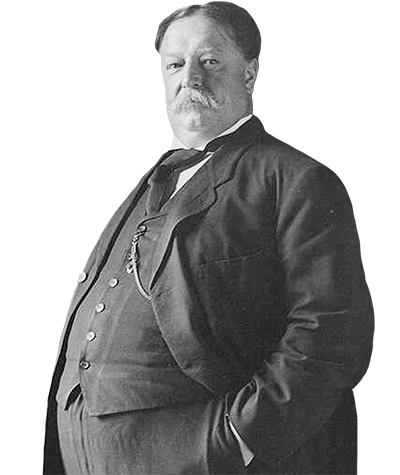
On Election Day, Wilson triumphed in a four-way race—defeating incumbent president William Howard Taft, Taft’s predecessor Teddy Roosevelt, and the Socialist Eugene Debs. Wilson was the first Southern president in over forty years, the first president with a Ph.D., and the greatest orator of his time.
Only a month into office, radically breaking with century-old custom, Wilson invited himself to address Congress and demonstrate “that the President of the United States is a person, not a mere department of the Government.” When he stepped to the rostrum, Congress applauded—tepidly. Wilson spoke of the urgent need to lower the tariff, which had risen so high that American goods were unaffordable abroad and imports were unaffordable at home. He spoke for only six minutes, bowed, and exited to slightly warmer applause.
Despite the muted response, Wilson believed he’d set the tone for a new era. But lawmaking requires cajoling, compromise, and negotiation, which Wilson did not do well despite authoring a seminal book on the workings of Congress. He delegated the bargaining to two advisors: Albert S. Burleson, postmaster general, and William Gibbs McAdoo, secretary of the treasury.
Tragically, one of their first moves was a capitulation to racism. Southerners in Congress feared that the New Freedom would end segregation; as the price of their support, they demanded a sign that Jim Crow would remain untouched. Burleson and McAdoo, both Southerners, quickly segregated the Post Office and the Treasury. Privately, Wilson admitted that he felt “shamed and humiliated.” But he did not overrule his lieutenants, forever staining his historical reputation.
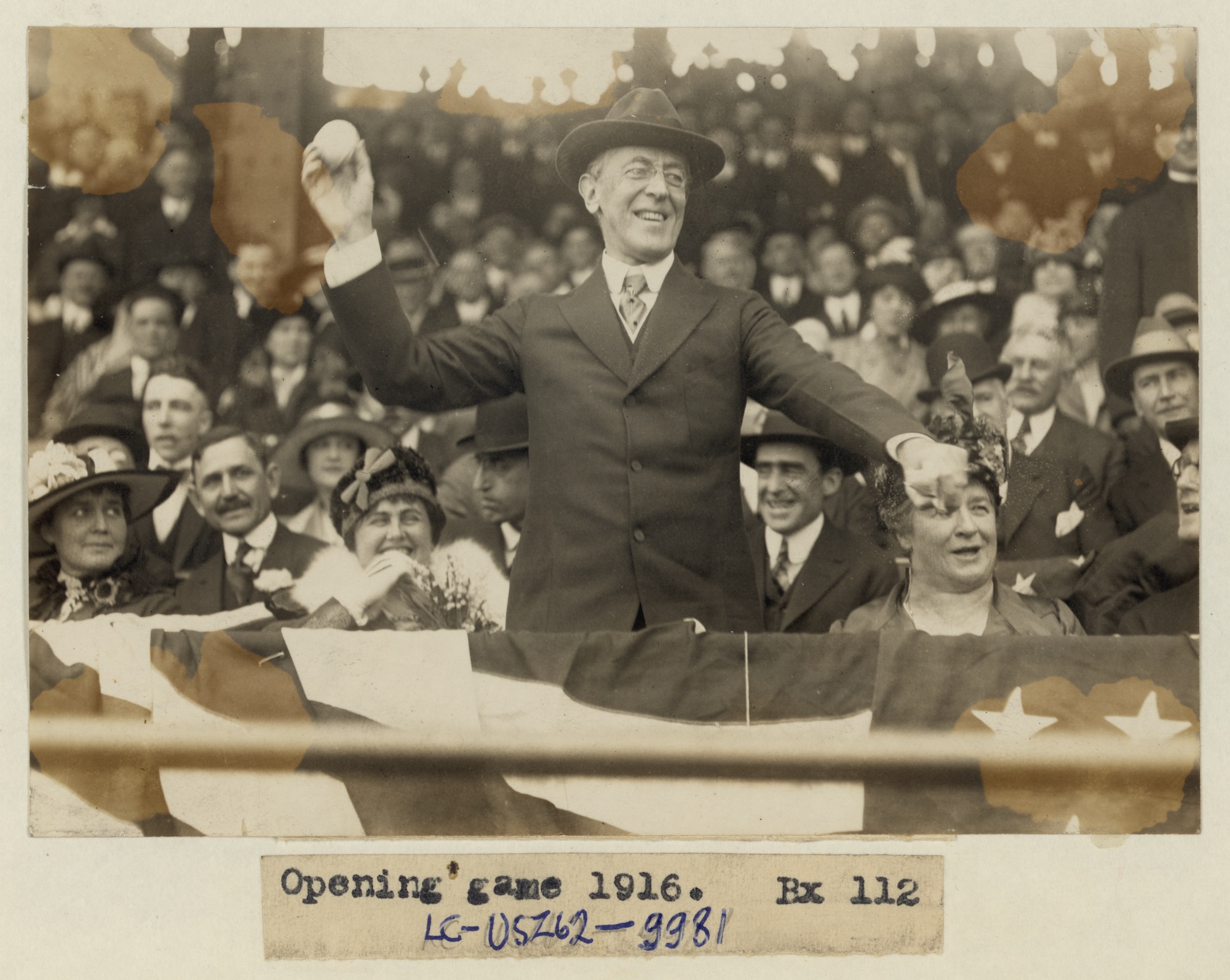
By the time Wilson was reelected in 1916, most of his New Freedom laws were on the books. A lower tariff reduced the cost of imports, with a new income tax on the wealthiest Americans replacing lost tariff revenues. The new Federal Reserve System helped stabilize the nation’s banks. A modern antitrust act, enforced by the newly established Federal Trade Commission, worked to prevent monopoly and unfair competition while protecting labor’s right to peaceful strikes and boycotts. A second flurry of laws brought the first federal loans to farmers, a ban on child labor, worker’s compensation, higher income and inheritance taxes, and the first federally mandated eight-hour day in the private sector.
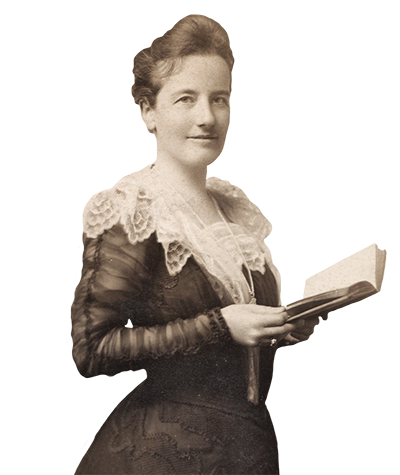
Wilson had no time to savor the triumphs. Since August 1914 he’d been coping with the outbreak of the first global war and the loss of his beloved wife, Ellen Axson Wilson. Bereft but resolute, he immediately proclaimed U.S. neutrality in the war and offered to mediate. The strain was relieved only by a second marriage, to Edith Bolling Galt, a Washington widow.
For two and a half years, Wilson continued the American tradition of isolationism. But on April 2, 1917, after repeated German violations of U.S. neutrality, Wilson stood before Congress and declared that “The world must be made safe for democracy.” Congress voted resoundingly for war.
The American people were less enthusiastic. Some noted that Wilson had ordered five military interventions in the Western Hemisphere, none of which gave birth to democracy. Others pressed Wilson to continue pursuing mediation. Women suffragists pointed out the hypocrisy of fighting for democracy abroad when women at home could not vote.
The hypocrisy didn’t end there. In the name of national security, the United States of America went to war against its own people. The crackdown included mass surveillance, laws criminalizing supposed subversion, and bans on criticizing the government, the military, and the flag. More than a thousand protesters went to prison. The federal government has never since so broadly criminalized political dissent.
The armistice of November 11, 1918, lifted a huge burden but coincided with a new crisis for Wilson: the midterm elections had just given Republicans control of Congress for the first time in his presidency. Wilson had done little to cultivate Republicans’ goodwill, accusing them of putting party politics ahead of the national interest. The blunder hardened their hostility to Wilson and his internationalism.
In 1919, Wilson went abroad—a first for a sitting U.S. president—to participate in the Paris Peace Conference. Twenty-two million lay dead. Hunger and homelessness were rampant amid shattered cities and farmlands poisoned by chemical warfare. Yet Wilson and the Allies struggled to finalize a stable postwar order.
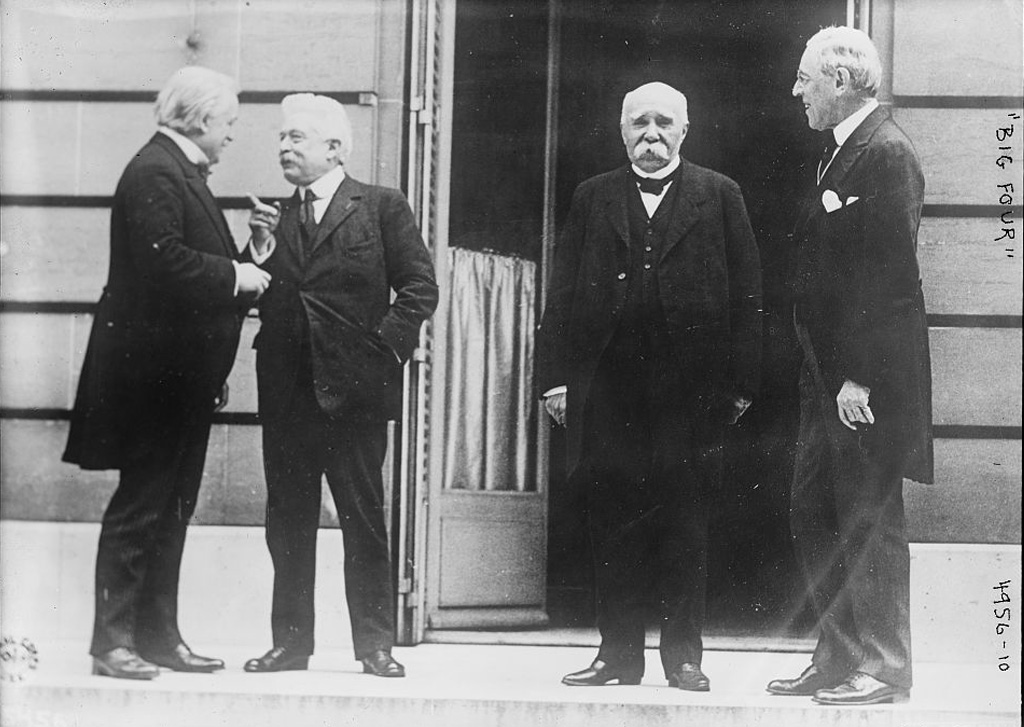
Wilson did score some victories in Paris. At his insistence, the reparations bill was a small fraction of the Allies’ initial demands. He blocked French annexation of a coal-rich German region and brought the League of Nations into being. As new states rose from the ashes of four empires, it was Wilson who fought hardest for the right of every nation to choose its own government.
There were no more triumphs. When the Senate balked at parts of the treaty, Wilson balked at compromise and traveled coast to coast for a month, vainly pleading for ratification and U.S. membership in the League. The tour ended abruptly when a stroke permanently paralyzed Wilson’s left side and destroyed most of his eyesight.
Back in Washington, Wilson’s wife, chief political aide, and longtime physician hid the gravity of the president’s condition. Cabinet members ran the executive branch, with the First Lady serving as go-between when needed. The cover-up continued for seventeen months, the most serious case of presidential disability in American history. In 1920, Republican Warren G. Harding won the presidency, promising a “return to normalcy.” On February 3, 1924, Wilson died in his sleep.
Without a doubt, Wilson’s failings on race slowed the march to racial equality. His wartime suppression of dissent was a shocking assault on a fundamental American right. His dependence on oratory hurt him in situations calling for debate or negotiation, and the success of the New Freedom surely owed less to his soaring speeches than to Democratic control of Congress for the first six years of his presidency.
Yet the many achievements of Wilson’s presidency live on—in the first clear regulations for national banks and large corporations, the progressive income tax, and more humane conditions for labor. Though late, his support for a women’s suffrage amendment proved decisive.
Ultimately, the New Freedom ended the heyday of laissez-faire capitalism. Only two of Wilson’s twentieth-century successors, Franklin D. Roosevelt and Lyndon B. Johnson, rivaled him as an economic reformer. And Wilson’s bold abandonment of isolationism anticipated a central fact of the twenty-first century: in a world of apocalyptic threats, the cooperation of nations is humankind’s best hope.
“In a world of apocalyptic threats, the cooperation of nations is humankind's best hope.”
Check out the lesson on Substack to be part of the discussion. Share your views, respond to others, and help deepen our understanding.
View on Substack